
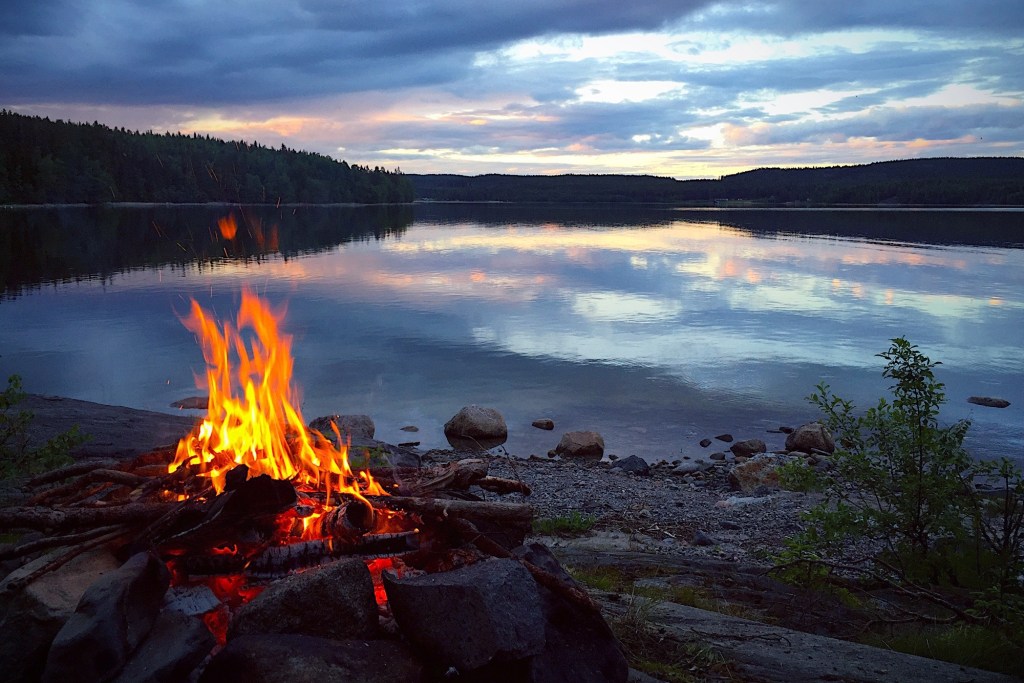
Introduction to the health benefits of campfires
There is something magical about sitting around a campfire, watching the flames dance and listening to the crackling of the wood as it burns. For centuries, humans have been drawn to the warmth and light provided by fires, and it is no surprise that this ancient practice has persisted into the modern era. But did you know that there are actual health benefits associated with different types of campfires? In this comprehensive guide, we will explore the various advantages of campfires, from physical and mental health benefits to social and environmental aspects.
First, let us delve into the science behind why we are attracted to fires in the first place. Fires have played a crucial role in human evolution, providing us with warmth, protection from predators, and a means of cooking food. As a result, our brains are hardwired to be drawn to fires, and we experience a sense of comfort and security when sitting around a campfire. This has led to the development of the campfire effect, which we will discuss later in this article.
In addition to the psychological benefits, there are also tangible health advantages associated with sitting around a fire. One of the most significant benefits of sitting outside by a campfire is the boost to your immune system. The warmth of the fire can help to increase circulation, which in turn can boost your immune system and help you to fight off illness more effectively. Additionally, the smoke from the fire can help to repel insects, further protecting you from potential health risks.
Exploring the different types of campfires
There are several types of campfires, each with its own unique set of health advantages. Let’s take a closer look at some of the most common varieties.
- The Teepee Fire: This type of fire is created by stacking sticks and logs in a conical shape, resembling a teepee. The teepee fire is known for its quick and easy setup, as well as its ability to produce a strong and steady flame. The heat generated by this fire can help to soothe sore muscles and joints, providing relief for those with arthritis or other inflammatory conditions.
- The Log Cabin Fire: This fire is built by stacking logs in a square or rectangular pattern, similar to the construction of a log cabin. The log cabin fire is known for its long burn time and excellent heat output. The warmth from this fire can help to alleviate respiratory issues, such as asthma or bronchitis, by promoting better airflow and reducing inflammation in the airways.
- The Star Fire: This type of fire is created by placing long logs in a star pattern, with the tips of each log touching in the center. The star fire is known for its ability to burn for extended periods with minimal tending. The consistent heat output from this fire can help to improve circulation and aid in the healing of wounds or injuries.
- The Swedish Torch: Also known as a “Swedish log stove” or “Swedish fire torch,” this fire is created by cutting a log into four sections and standing them upright, with the cuts facing inward. The Swedish torch is an efficient and compact fire that is perfect for cooking or providing warmth in a small area. The concentrated heat from this fire can help to alleviate minor aches and pains, such as headaches or muscle cramps.
How to make a good fire: safety and efficiency
Creating a safe and efficient campfire is essential for reaping the health benefits and ensuring a positive experience. Here are some tips on how to make a good fire:
- Choose the right location: Select a level and clear area, away from any overhanging branches or vegetation. Ideally, the fire should be built on a surface such as gravel, sand, or bare soil to reduce the risk of the fire spreading.
- Gather the right materials: To build a successful fire, you will need tinder (small, dry materials that ignite quickly, such as dry leaves, pine needles, or small twigs), kindling (slightly larger sticks and branches that will catch fire easily), and fuel (larger logs and branches that will burn for an extended period).
- Construct the fire: Follow the guidelines for the specific type of campfire you wish to build, ensuring that there is proper ventilation and air circulation to promote efficient burning.
- Light the fire: Light the tinder using a fire starter, matches, or a lighter, and gradually add kindling and fuel as the fire grows.
- Maintain the fire: Keep a close eye on your fire, adding fuel as needed and ensuring that it remains under control.
- Extinguish the fire: When you are finished with your fire, completely extinguish it by dousing it with water, stirring the ashes, and dousing it again. Make sure that the fire is cold to the touch before leaving the area.
The campfire effect: physical and mental health advantages
The campfire effect refers to the various physical and mental health benefits associated with sitting around a fire. On a physical level, the warmth from the fire can help to relax tense muscles, increase circulation, and alleviate minor aches and pains. Furthermore, the smoke from a campfire can help to repel insects, reducing the risk of insect-borne illnesses such as malaria or Lyme disease.
On a mental level, the campfire effect can help to reduce stress and anxiety by promoting relaxation and encouraging mindfulness. The flickering flames and soft crackling sounds can have a soothing effect, helping to calm the mind and promote a sense of peace. Moreover, the act of tending to a fire can serve as a form of meditation, allowing you to focus on the present moment and forget about the stressors of daily life.
The social benefits of sitting around a fire
In addition to the physical and mental health advantages, there are also significant social benefits associated with sitting around a fire. Campfires have long been a gathering place for friends and family, providing an opportunity for people to come together and share stories, laughter, and camaraderie. This sense of connection and belonging can help to improve overall well-being and strengthen relationships.
Furthermore, the act of working together to build and maintain a fire can foster teamwork and cooperation, promoting a sense of unity and shared responsibility. This can be particularly beneficial for children, as it teaches them valuable life skills and encourages them to develop a sense of self-reliance and independence.
Is sitting outside good for you? The science behind outdoor exposure
Spending time outdoors, particularly in natural settings, has been shown to have numerous health benefits. Research has found that exposure to nature can help to reduce stress, improve mood, and boost cognitive function. This is thought to be due in part to the presence of phytoncides, natural chemicals released by plants that have been shown to have a calming effect on the human body.
Furthermore, spending time outdoors can help to increase vitamin D levels, which play a crucial role in maintaining healthy bones, supporting the immune system, and regulating mood. Sunlight exposure has also been linked to improved sleep quality, as it helps to regulate the body’s internal clock and promote the production of melatonin, a hormone that is essential for sleep.
In addition to these benefits, sitting outside can also help to improve air quality, as outdoor air is generally less polluted than indoor air. This can be particularly beneficial for those with respiratory issues, such as asthma or allergies, as it can help to reduce inflammation and promote better breathing.
Things to do at a campfire: activities for relaxation and bonding
There are plenty of activities that can be enjoyed around a campfire, providing opportunities for relaxation, bonding, and personal growth. Some popular campfire activities include:
- Storytelling: Sharing stories around a campfire is a time-honored tradition that can help to strengthen bonds, promote empathy, and encourage creativity.
- Singing and playing music: Making music together can be a powerful way to connect with others and express emotions, while also providing a fun and entertaining activity.
- Cooking: Preparing meals over a campfire can be a fun and rewarding experience that allows you to connect with the natural world and enjoy the fruits of your labor.
- Meditation and mindfulness: Practicing meditation or mindfulness exercises around a campfire can help to promote relaxation, reduce stress, and improve overall well-being.
- Stargazing: Taking the time to gaze up at the night sky can provide a sense of perspective and awe, reminding you of the vastness of the universe and the beauty of the natural world.
The environmental impact of campfires and responsible practices
While campfires can provide numerous health benefits, it is essential to be aware of the potential environmental impact and to practice responsible fire-building techniques. Some ways to minimize the ecological footprint of your campfire include:
- Use established fire rings or pans: Whenever possible, build your fire in an existing fire ring or pan to minimize the impact on the surrounding area.
- Gather only small, dead branches: Avoid cutting live branches or trees for firewood, and instead collect small, dead branches that are already on the ground.
- Burn only small, manageable fires: Keep your fire small to reduce the amount of smoke and ash produced, and to minimize the risk of the fire getting out of control.
- Extinguish your fire completely: Ensure that your fire is completely extinguished before leaving the area, by dousing it with water, stirring the ashes, and dousing it again.
Alternatives to traditional campfires: eco-friendly options
If you are concerned about the environmental impact of traditional campfires, there are several eco-friendly alternatives available. Some options include:
- Portable fire pits: These devices allow you to enjoy the warmth and ambiance of a campfire while minimizing the impact on the environment. Many portable fire pits are designed to burn wood pellets or other sustainable fuel sources, producing less smoke and ash than traditional fires.
- Solar-powered lanterns: Solar lanterns can provide a similar ambiance to a campfire, without the need for burning wood or producing smoke. These devices can be charged during the day and can provide hours of soft, flickering light at night.
- Bioethanol fireplaces: These modern fireplaces use bioethanol, a renewable and eco-friendly fuel source, to produce a clean-burning flame. They can be used both indoors and outdoors and are available in a wide range of styles and sizes.
Conclusion: embracing the campfire lifestyle for better well-being
In conclusion, the health advantages of different types of campfires are numerous and varied, ranging from physical and mental health benefits to social and environmental aspects. By embracing the campfire lifestyle and making a conscious effort to spend time outdoors, you can improve your overall well-being and forge stronger connections with the natural world and those around you. So, gather some friends, build a fire, and experience the remarkable health benefits that campfires have to offer.

 Tired Camper