
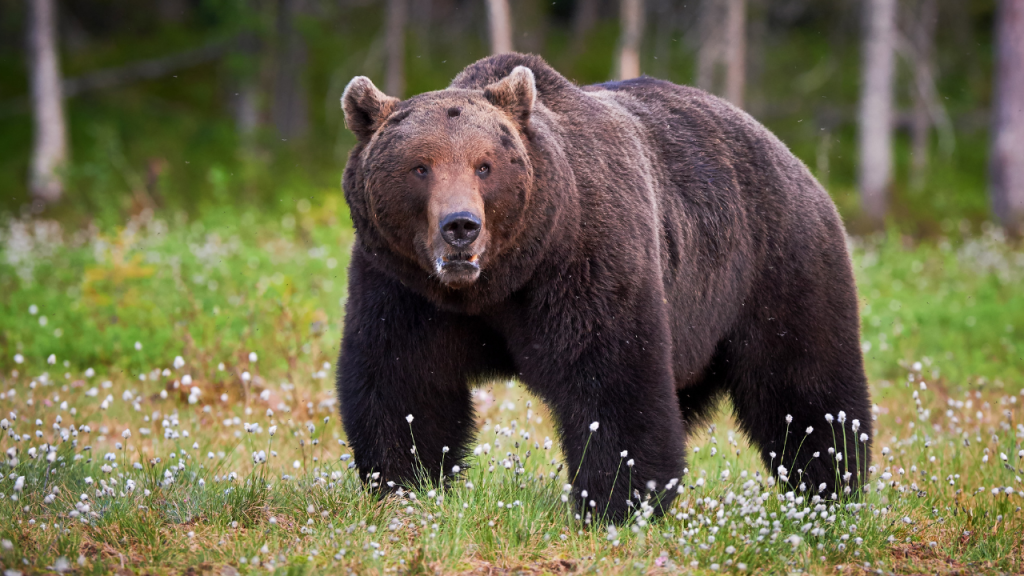
As an avid hiker, I have spent countless hours exploring the great outdoors. While the beauty of nature is unmatched, it is important to be aware of potential dangers, particularly when hiking in bear country. Bears are wild animals that can be unpredictable, and it is crucial to take precautions to protect yourself and those around you. In this comprehensive guide, I will cover everything you need to know about bear protection, from understanding bear behavior to the best gear and equipment to keep you safe.
Introduction to Bear Protection
Before diving into the specifics of bear protection, it is important to understand why it is necessary. Bears are powerful and potentially dangerous animals, and encounters with them can be unpredictable. While attacks on humans are rare, they do happen, and it is crucial to be prepared. Bear protection involves taking precautions to avoid encounters with bears, as well as having a plan in case you do encounter one.
Understanding Bears and Their Behavior
To stay safe in bear country, it is important to understand bears and their behavior. There are three types of bears in North America: black bears, brown bears (including grizzly bears), and polar bears. Each type of bear has unique characteristics and behaviors, and it is important to be able to identify which type of bear you may encounter.
Bears are typically shy animals that try to avoid humans. However, they can become aggressive if they feel threatened or if they are protecting their young. Signs of aggressive behavior include standing on their hind legs, swatting the ground with their paws, and making loud noises. It is important to give bears plenty of space and to avoid getting between a mother and her cubs.
Bear Safety Hiking Tips
When hiking in bear country, there are several precautions you can take to stay safe. First and foremost, it is important to make noise while hiking, so as not to surprise any bears. This can be done by talking loudly or singing, or by wearing bear bells. Additionally, it is important to stay on designated trails, as bears are less likely to be in these areas. Hiking in groups is also recommended, as bears are less likely to attack a large group.
It is also important to be aware of your surroundings and to look for signs of bear activity, such as tracks and scat. If you do encounter a bear, it is important to remain calm and avoid making direct eye contact. Slowly back away from the bear, making sure not to turn your back on it.
How to Deter Bears While Hiking
In addition to taking precautions to avoid encounters with bears, there are several ways to deter bears while hiking. One effective method is to use Bear spray, a type of pepper spray specifically designed for use on bears. Bear spray can be carried in a holster on your belt or backpack, and should be easily accessible in case of an encounter.
Another way to deter bears is to use bear-resistant food containers. These containers are designed to keep bears from accessing your food while camping, and can also be used while hiking. It is important to properly store all food and garbage to avoid attracting bears to your campsite.
What to Do if You Encounter a Bear
Despite taking precautions, it is still possible to encounter a bear while hiking or camping in bear country. If you do encounter a bear, it is important to remain calm and avoid making sudden movements. Do not run, as this can trigger the bear’s predatory instinct. Instead, slowly back away, making sure not to turn your back on the bear.
If the bear approaches you, make yourself look as big as possible by raising your arms above your head and standing on your tiptoes. Speak in a calm, firm voice, and try to slowly back away from the bear. If the bear charges, use your bear spray as a last resort.
Camping in Bear Country – How to Keep Bears Away from Your Campsite
When camping in bear country, it is important to take precautions to keep bears away from your campsite. One effective method is to use bear-resistant food containers, as mentioned previously. It is also important to properly store all food and garbage, and to avoid cooking in your sleeping area.
Additionally, it is recommended to set up your campsite at least 100 yards away from any food sources, such as berry bushes or streams. It is also a good idea to hang a bear bag containing all food and scented items at least 10 feet off the ground and 4 feet away from the tree trunk.
Bear Spray and Other Bear Protection Tools
Bear spray is one of the most effective tools for protecting yourself from a bear attack. However, there are other tools and gear that can also be useful. These include air horns, which can be used to scare away bears, and bear bangers, which are loud, explosive devices that can be used to deter bears.
It is also important to carry a first aid kit, as well as a map and compass or GPS device. In the event of an encounter with a bear, it is important to have a plan and to know how to use any bear protection tools.
Appalachian Trail Bear Attacks Statistics and Safety Precautions
The Appalachian Trail is a popular hiking destination that passes through several states known for their bear populations. While bear attacks on the trail are rare, it is important to be prepared. According to the Appalachian Trail Conservancy, there have been 19 reported bear attacks on the trail since 1971, with two resulting in fatalities.
To stay safe on the Appalachian Trail, it is important to follow all bear safety precautions, including making noise while hiking and properly storing food and garbage. It is also recommended to carry bear spray and to know how to use it.
Bear Protection Gear and Equipment
In addition to bear spray and food containers, there are several other types of gear and equipment that can help protect you from bears. These include bear-resistant canisters for storing food and garbage, as well as electric fences for camping areas.
It is also important to wear appropriate clothing and footwear while hiking in bear country. This includes long pants and sleeves, as well as closed-toe shoes or boots. Avoid wearing strong perfumes or scented lotions, as these can attract bears.
Conclusion – Stay Safe in Bear Country
While encounters with bears are rare, it is important to take precautions to protect yourself and those around you. By understanding bear behavior, taking precautions while hiking and camping, and carrying bear protection tools, you can stay safe while enjoying the beauty of nature. Remember to always be aware of your surroundings, and to follow all bear safety guidelines to prevent encounters and ensure a safe and enjoyable trip.
Stay safe on your next hiking trip by following these bear protection tips. Don’t forget to pack your bear spray and other necessary gear, and always be aware of your surroundings. Happy hiking!

 Tired Camper