
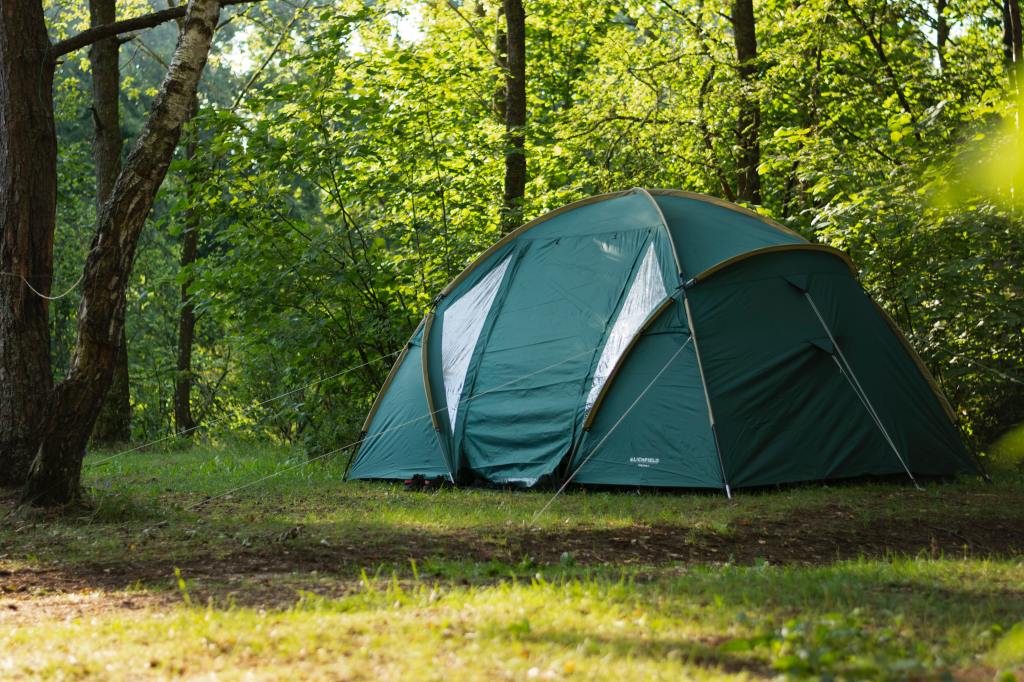
As an avid camper, I’ve always loved the freedom, tranquility, and connection to nature that camping offers. But over the years, I’ve become more and more conscious of the impact we, as humans, have on our environment. This realization has led me to shift my camping practices towards more sustainable and eco-friendly options. Going green on camping trips isn’t as daunting as it might seem, and with a little bit of knowledge and effort, we can all help preserve the beauty of the outdoors for future generations.
Now, when I talk about eco-friendly camping, it’s essentially about minimizing our impact on the environment by reducing waste, using sustainable products, and leaving the campsite as (or even better than) we found it. It’s about making conscious decisions that are kind to our planet, from the gear we choose to the way we behave at the campsite.
We all know the saying, “Take nothing but pictures, leave nothing but footprints.” This holds particularly true for eco-friendly camping. It’s all about respecting the environment and ensuring our outdoor adventures don’t harm our natural surroundings. After all, it’s nature’s beauty and serenity that draw us to camping in the first place.
Why is Eco-Friendly Camping Important?
The importance of eco-friendly camping cannot be overstated. Each year, millions of people venture into the great outdoors to camp, and while this is a fantastic way to connect with nature, it can also put a significant strain on the environment. Every tent peg hole, every piece of litter, every unattended fire can leave a permanent mark on the fragile ecosystem of our campsites.
When we practice eco-friendly camping, we help to preserve these natural spaces for future generations. By minimizing our waste, using eco-friendly products, and respecting the local wildlife, we can ensure that these areas remain as pristine and vibrant as they are today. Plus, it’s not just about preservation – it’s about fostering a deeper connection with nature and learning to live more sustainably, even when we’re back in the hustle and bustle of city life.
Eco-friendly camping also plays a crucial role in combating climate change. When we choose eco-friendly alternatives and adopt sustainable practices, we reduce our carbon footprint and contribute to a healthier planet. It’s a simple and yet significant way to make a difference.
Top Campsite Tips for an Eco-Friendly Outdoor Adventure
Now that we’ve discussed the importance of eco-friendly camping, let’s dive into some practical campsite tips to ensure your next outdoor adventure is as green as can be.
Firstly, always follow the Leave No Trace principles. This means packing out what you pack in, leaving the campsite as you found it, and respecting wildlife and other campers. It’s the golden rule of eco-camping and a non-negotiable for any green camper.
Secondly, choose your camping gear wisely. Opt for sustainable camping gear that’s made from eco-friendly materials and designed to last. This reduces waste and ensures you’re not contributing to the ever-growing problem of disposable culture.
Lastly, plan your meals carefully to minimize waste. Avoid using single-use plastics and opt for reusable containers instead. And when it comes to cooking, use a camping stove rather than an open fire to reduce your impact on local flora and fauna.
Sustainable Camping Gear: What You Need to Know
As part of our campsite tips for eco-friendly camping, let’s delve deeper into the world of sustainable camping gear. The equipment we choose to bring on our camping trips can have a significant impact on the environment, so it’s crucial to make eco-friendly choices.
Start by considering the lifespan and durability of your gear. High-quality, durable products may have a higher upfront cost, but they’ll last longer, reducing waste and ultimately saving you money in the long run. A good quality tent, for example, can last for many years if cared for properly.
Next, consider the materials used in your gear. Look for products made from recycled or sustainably-sourced materials. Many companies are now offering eco-friendly alternatives, such as sleeping bags filled with recycled synthetic insulation or backpacks made from recycled materials.
Lastly, consider the end life of your gear. Can it be recycled or composted at the end of its life? Is it repairable? Choosing gear with a thought-out end-of-life strategy can significantly reduce your environmental footprint.
Eco-Friendly Tents: A Comprehensive Guide
One of the most important pieces of camping gear is undoubtedly the tent. In this section, I’ll share some campsite tips specifically about eco-friendly tents.
A good eco-friendly tent is one that is built to last, made from sustainable or recycled materials, and can be repaired or recycled at the end of its life. When shopping for an eco-friendly tent, look for brands that prioritize sustainability. Some brands even offer take-back programs for their tents, ensuring they’re recycled properly at the end of their lifespan.
Avoid tents with toxic chemicals like PVC, which is often used for waterproofing but is harmful to the environment. Instead, look for tents that use eco-friendly alternatives like silicone treatments.
Lastly, take care of your tent to extend its lifespan. This means cleaning it properly after each trip, storing it in a cool, dry place, and repairing any damage as soon as possible.
How to Minimize Waste While Camping
Minimizing waste is a crucial aspect of eco-friendly camping. Here are a few campsite tips to help you achieve this.
Plan your meals to avoid food waste. Consider taking along fresh produce in reusable containers, and avoid pre-packaged meals which generate a lot of plastic waste.
Use reusable water bottles and cooking utensils. Single-use items are a significant source of waste on camping trips, and it’s easy to avoid them by bringing your own reusable alternatives.
Lastly, follow the ‘Leave No Trace’ principles. Dispose of any waste properly, and remember, if you brought it in, you should bring it out.
Tips for Eco-Camping: Cleaning and Maintaining Your Campsite
Keeping your campsite clean and well-maintained is another crucial aspect of eco-camping. Not only does it minimize your impact on the environment, but it also ensures a pleasant camping experience for everyone.
Start by picking up all trash, even if it’s not yours. This includes micro-trash like bottle caps and cigarette butts, which can be harmful to wildlife. Dispose of it properly in designated trash or recycling bins, or pack it out with you if none are available.
Keep your campsite clean and tidy. This means keeping your gear organized, not leaving food out which can attract wildlife, and washing your dishes well away from any water sources to avoid contamination.
Finally, avoid damaging the natural environment. Stick to designated trails and campsites, and don’t pick flowers or disturb wildlife.
Importance of Choosing Eco-Friendly Camping Products
Choosing eco-friendly camping products is a critical part of sustainable camping. Not only do these products minimize your environmental impact, but they also often perform better and last longer than their conventional counterparts.
From biodegradable soaps to solar-powered lanterns, there are eco-friendly alternatives for almost every camping product these days. These products are designed with the environment in mind, utilizing sustainable materials and manufacturing processes.
Furthermore, choosing eco-friendly camping products sends a powerful message to manufacturers. It shows that there is a demand for sustainable products, encouraging them to continue innovating and improving their green offerings.
Consequences of Not Following Eco-Friendly Camping Practices
Ignoring eco-friendly camping practices can have significant consequences. Improper waste disposal can harm wildlife and pollute water sources. Unattended fires can cause devastating forest fires. Using non-sustainable camping gear contributes to the waste problem and climate change.
Furthermore, neglecting to follow eco-friendly camping practices can lead to the closure of campsites. When campsites are littered with trash and damaged by improper use, authorities often have no choice but to close them, denying future campers the chance to enjoy these beautiful places.
So, for the sake of our planet and future generations of campers, it’s crucial that we all adhere to eco-friendly camping practices.
Conclusion: The Future of Eco-Friendly Camping
The future of camping is undoubtedly green. As awareness of environmental issues grows, so too does the demand for more sustainable camping practices. From innovative eco-friendly camping gear to the growing popularity of Leave No Trace principles, we are already seeing significant positive changes in the camping industry.
However, the success of eco-friendly camping relies not just on manufacturers and campsite managers, but on us, the campers. We must make conscious choices, respect our environment, and strive to leave our campsites better than we found them.
So, the next time you pitch your tent under the stars, remember these campsite tips. Embrace the principles of eco-camping. And enjoy the knowledge that you’re doing your part to protect our beautiful planet.

 Tired Camper