Introduction to Winter Camping
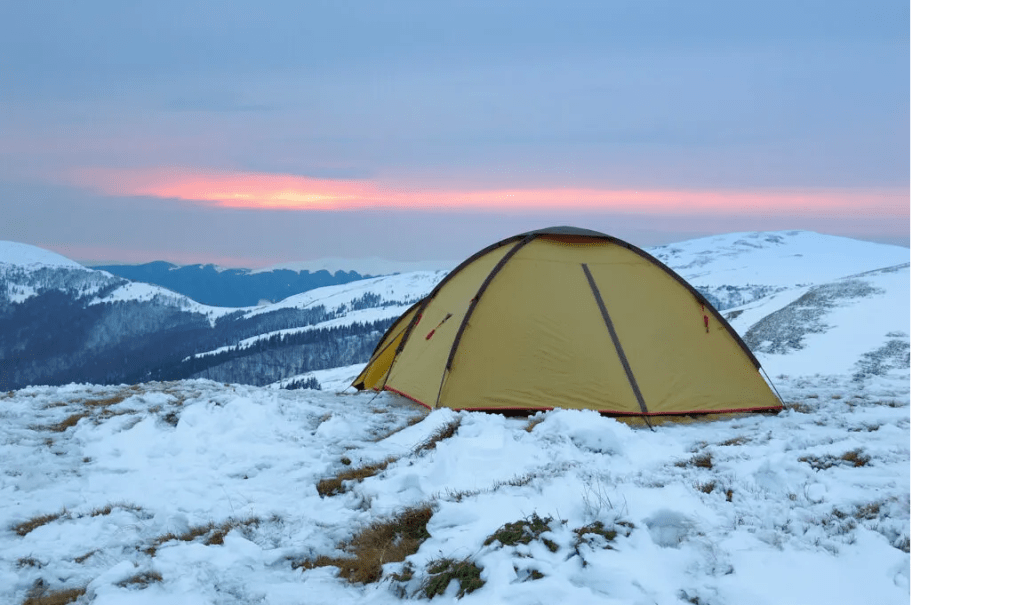
When the winter season rolls around, many people put away their camping gear, but I’ve discovered a love for the snow-covered wilderness. Winter camping in a tent brings its own unique set of challenges and rewards. The serenity of a snow-covered landscape, the crisp winter air, and the thrill of braving the cold elements are just a few of the many reasons I enjoy this unique outdoor activity.
However, winter camping isn’t for the faint of heart. It requires a different set of skills and preparation compared to camping during warmer seasons. In this blog post, I will share my personal insights and expert advice for successfully camping in winter.
Understanding Winter Camping: The Basics
Let’s start with the basics of winter camping. Unlike camping in spring or summer, winter camping involves dealing with harsh weather conditions like snow, ice, and freezing temperatures. Therefore, understanding the basics of cold weather survival becomes paramount.
First, you must know how to dress appropriately for winter camping. Layering your clothing is essential to maintain body heat and stay dry. Second, understanding how to navigate in snow and icy conditions is crucial. Finally, building a fire and cooking food in winter conditions are skills you need to master to survive the cold.
The Importance of Proper Preparation for Winter Camping
Proper preparation is the most important aspect of winter camping. It involves planning your trip carefully, understanding the weather forecast, and knowing the terrain and potential hazards of your camping site.
Before you go winter camping, it’s crucial to check the weather forecast. You should be aware of any potential snowstorms or severe cold snaps. A surprising weather shift can turn a fun camping trip into a dangerous situation. Therefore, always have a backup plan and emergency contact numbers.
Also, make sure you are physically fit and mentally prepared. Winter camping can be physically demanding, and the cold weather can have a significant impact on your mental wellbeing. Meditation and physical training can help you prepare for the rigors of winter camping.
Essential Winter Camping Gear
Investing in the right winter camping gear can make your camping experience more comfortable and safer. Your gear should include a four-season tent, a high-quality sleeping bag rated for the lowest expected temperatures, and an insulated sleeping pad.
You should also pack a camping stove that works well in winter conditions, as well as high-energy food and plenty of water. Don’t forget to bring winter clothing layers, including moisture-wicking base layers, insulating mid-layers, and waterproof outer layers.
Tips for Selecting the Right Winter Tent for Camping
Choosing the right tent for winter camping is crucial. When selecting a winter tent, consider its durability, size, and insulation properties. Look for a four-season tent designed to withstand harsh weather conditions.
The tent should be large enough to accommodate you and your gear comfortably. However, remember that a larger tent can be more challenging to heat. Also, consider a tent with good insulation properties to keep the cold air out and the warm air in.
Strategies for Staying Warm during Cold Weather Camping
Staying warm is one of the biggest challenges of winter camping. One effective strategy is to consume high-energy foods. Eating fatty foods before sleeping can help keep your body warm throughout the night.
Another strategy is to use a hot water bottle. Fill a bottle with hot water and place it in your sleeping bag to keep you warm. Don’t forget to exercise. Physical activity generates body heat and helps keep you warm.
Health and Safety Tips for Winter Camping
Winter camping poses several health and safety risks. It’s essential to recognize the signs of hypothermia and frostbite. Also, always take precautions to avoid accidents, such as slipping on icy surfaces or getting lost in a snowstorm.
Stay hydrated and well-fed. Dehydration and hunger can lower your body temperature and weaken your immune system. Also, remember to take regular breaks to rest and recover.
How to Set Up a Tent in Winter Conditions
Setting up a tent in winter conditions can be challenging, but it’s manageable with the right technique. Always clear the snow before setting up your tent. Use a snow shovel to create a flat, compact surface.
Set up your tent with the door facing away from the wind to prevent snow from blowing into your tent. Also, make sure to secure your tent firmly to prevent it from being blown away by strong winds.
Winter Camping Do’s and Don’ts
There are a few do’s and don’ts to keep in mind when winter camping. Do dress in layers, keep yourself hydrated and well-fed, and always inform someone about your camping plans.
Don’t underestimate the weather. Always check the forecast before you go camping. Don’t forget to pack essential winter camping gear. And don’t attempt to camp in winter conditions without proper training and preparation.
Insider Advice for a Successful Winter Tent Camping Experience
Winter camping in a tent can be a rewarding experience if you approach it with the right attitude and preparation. Embrace the challenges and enjoy the unique beauty of the winter wilderness.
Remember, winter camping isn’t about enduring the cold; it’s about learning to enjoy and thrive in it. So, pack your gear, plan your trip, and embrace the chill of winter camping.
Conclusion: Embrace the Chill of Winter Camping
Winter camping in a tent is a unique adventure that allows you to experience the beauty of winter in a whole new way. It might be challenging, but with proper preparation and the right gear, you can thrive in the cold and have a memorable camping experience.
Remember, winter camping isn’t for everyone. But for those who are willing to brave the cold, the rewards are immense. So, don’t let the cold stop you. Embrace the chill, and enjoy the unique experience of winter camping.

 Tired Camper