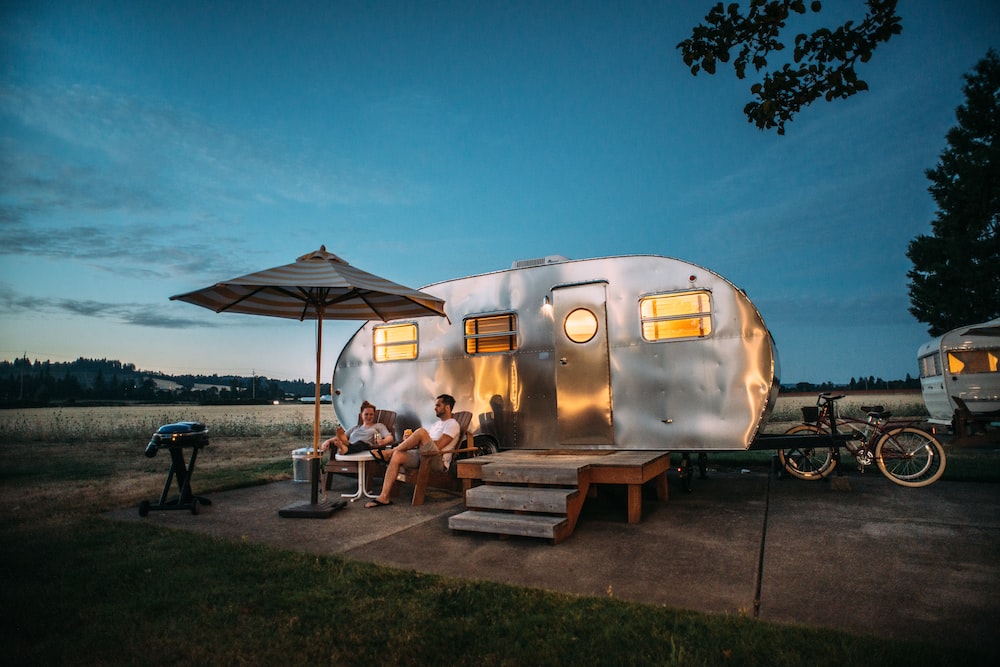
Embarking on an RV camping journey can be an exhilarating experience filled with scenic landscapes and unforgettable adventures. But, as a newbie, you may feel overwhelmed by the complexities of RV camping. This comprehensive guide will provide you with essential tips and tricks to help you navigate the world of RV camping, ensuring a smooth and enjoyable trip.
1. Understanding the Basics
1.1 What is an RV?
An RV, or Recreational Vehicle, is an all-inclusive vehicle designed for travel, camping, and sometimes full-time living. These vehicles come in various sizes and types, including motorhomes, fifth wheels, and travel trailers. They offer a range of amenities such as a kitchen, bathroom, and sleeping quarters, making RV camping a home-away-from-home experience.
1.2 Types of RVs
Understanding the different types of RVs can help you make an informed decision about what suits your needs best. Here are the primary types of RVs:
- Class A Motorhomes: These are large, bus-like vehicles that offer the most luxurious camping experience. They usually come with spacious living areas and a plethora of amenities.
- Class B Motorhomes/Campervans: These are the smallest motorhomes, often resembling a regular van. They are compact and easier to drive, but their amenities are more basic.
- Class C Motorhomes: These are intermediate-sized motorhomes, built on a truck chassis with an overhanging section over the cab that often houses a bed.
- Travel Trailers/Bumper Pull: These are non-motorized units that attach to a towing vehicle. They come in various sizes and layouts.
- Fifth Wheel: These are large, non-motorized units that attach to a pickup truck using a special hitch. They are known for their spacious living quarters.
1.3 Renting Vs. Buying an RV
Deciding whether to buy or rent an RV can depend on several factors. If you plan on RV camping frequently or full-time, and have a place for storage, buying might be the best option. On the other hand, if you’re planning a one-off trip or want to test the waters before making a purchase, renting an RV is a good choice.
1.4 Know Your Towing Capacity
Before choosing your RV, verify the towing capacity of your vehicle. This will help you select an RV that your vehicle can safely tow. Don’t forget to include the weight of your gear in your calculations.
2. Preparing for the Trip
2.1 Take a Practice Drive
Driving an RV is different from driving a regular car, owing to its size and weight. Before heading out on your maiden voyage, take a practice drive to familiarize yourself with the RV’s handling. Pay special attention to parking, backing up, and turning.
2.2 Pack Smart
Overpacking can make your RV feel cluttered and affect its fuel efficiency. Pack only the essentials, and remember that you’re camping, not relocating. Consider multi-purpose items to save space. Also, bring along a well-stocked tool kit and spare parts unique to your rig.
2.3 Plan Your Route and Make Reservations
Planning your route helps you avoid last-minute stress and ensures a smoother trip. Use RV-specific GPS systems to find routes suitable for RVs. Also, remember that popular campgrounds can fill up quickly, so make your reservations well in advance.
2.4 Set Up a Campground Checklist
Having a checklist ensures that you don’t forget important tasks when setting up at a campground. Your checklist should include tasks like leveling your RV, securing your rig, connecting to the electrical hookup, and setting up your campsite.
3. On the Road
3.1 Mastering the Art of Driving an RV
Driving an RV requires a different skill set than driving a regular vehicle. It’s important to stay calm, take things slow, and remember that getting to your destination safely is more important than getting there fast.
3.2 Travel Light
Traveling without water in your RV can drastically reduce the vehicle’s weight, thereby improving fuel efficiency. Instead, consider using bottled water for drinking and cooking.
3.3 Mind Your Load Limits
Every RV has a Gross Vehicle Weight Rating (GVWR) which is the maximum weight your RV can handle safely. Overloading your RV can damage its structure, affect its handling, and even lead to accidents. Always keep track of how much weight you’re adding to your RV.
4. At the Campsite
4.1 Choosing the Perfect Spot
Once you reach your campground, take the time to choose a perfect spot for your RV. Check for low hanging branches, obstacles on the ground, and make sure the site is level. Remember to locate the electrical, water, and sewage hookups.
4.2 Set Up Your RV
After choosing your spot, it’s time to set up your RV. Level it with blocks or stabilizing jacks if necessary, secure your rig, connect to the electrical hookup, and attach your sewer hose to the drain hook-up.
4.3 Prepare for After-Dark Setup
Arriving at your campsite after dark can be challenging. Always keep a flashlight handy, and if possible, try to arrive at your campsite before sunset.
5. RV Maintenance
5.1 Regular Checks
Regularly inspect your RV for any damages. Check for leaks, ensure all lights are working, inspect for any wear and tear, and make sure all appliances are functioning properly.
5.2 Know Your Electrical System
Different campgrounds offer different types of electrical outlets, and not all of them may be compatible with your RV. Familiarize yourself with your RV’s electrical system and bring necessary adapters.
5.3 Prepare for Tank Dumps
Dumping the RV’s tanks is not the most pleasant task, but it’s a necessary part of RV camping. Always use the appropriate gloves and chemicals, and make sure to dump at designated dump stations.
6. RV Etiquette
6.1 Respect Campground Rules
Every campground has its own set of rules. Make sure to familiarize yourself with them and respect quiet hours, speed limits, and waste disposal guidelines.
6.2 Be a Good Neighbor
Remember that you’re sharing the campground with others. Keep your campsite clean, don’t encroach on others’ space, and always maintain a friendly demeanor.
6.3 Leave No Trace
As a camper, it’s your responsibility to protect the environment. Always clean up after yourself, and leave your campsite as you found it, if not better.
7. Enjoy the Experience
Finally, remember that RV camping is all about enjoying the great outdoors, spending quality time with loved ones, and making unforgettable memories. So, relax, explore, and soak in the experience of your RV camping adventure.
With these tips and tricks in your arsenal, you’re well-equipped to embark on your RV camping journey. Remember, preparation is key, but don’t forget to enjoy the journey as well. Happy camping!

 Tired Camper