
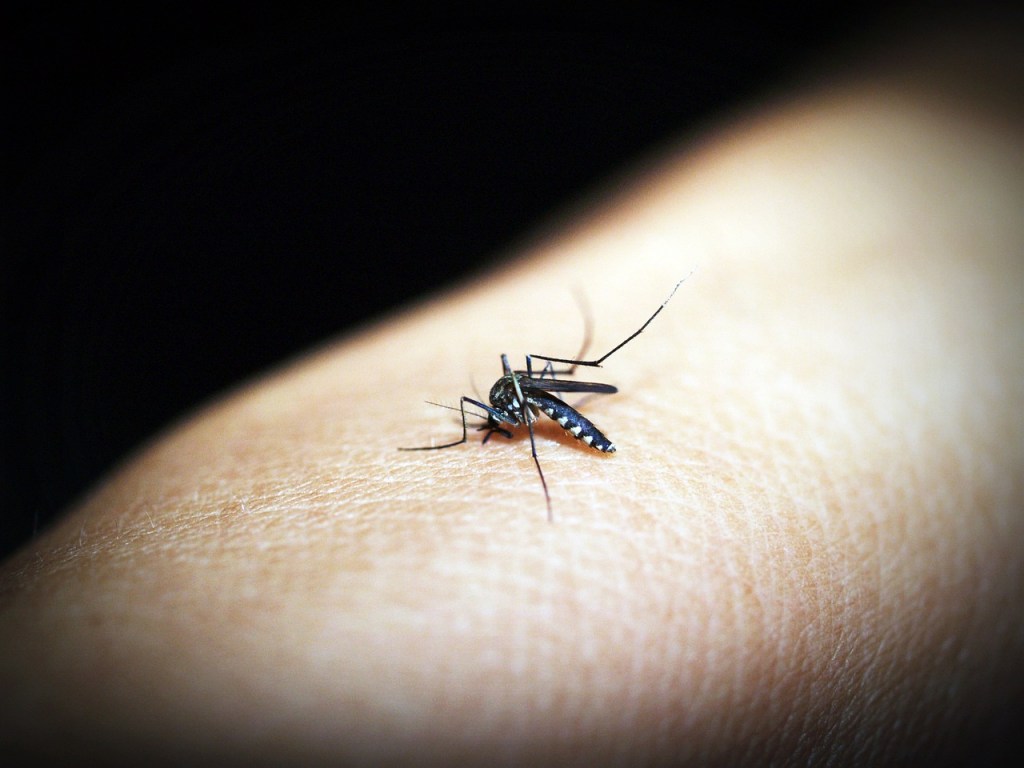
The importance of insect control while camping
When it comes to enjoying the great outdoors, few things can be as bothersome as pesky mosquitoes and other insects. Not only can their bites be irritating and uncomfortable, but they can also potentially carry diseases. That’s why effective insect control while camping is crucial for a pleasant and safe outdoor experience.
Ensuring that you have proper insect control measures in place can make a significant difference in your camping trip. Not only will it allow you to enjoy your time in nature without constant buzzing and itching, but it will also help protect you from potential mosquito-borne illnesses such as West Nile virus or Zika virus. By implementing these effective strategies for insect control while camping, you can say goodbye to mosquito bites and enjoy your time in nature to the fullest.
Understanding mosquito behavior and habitat
Before we delve into the various strategies for insect control while camping, it is essential to understand the behavior and habitat of mosquitoes. Mosquitoes are attracted to humans and animals because they are attracted to the carbon dioxide we exhale. They are most active during dusk and dawn when the temperature and humidity levels are ideal for their survival.
Mosquitoes also require stagnant water to lay their eggs. Therefore, it is important to eliminate any standing water sources in your camping area. This can include emptying and cleaning out containers that may collect rainwater, such as buckets, pots, or bird baths. By taking these preventive measures and understanding mosquito behavior, you can significantly reduce the mosquito population and minimize the risk of mosquito bites while camping.
Common types of mosquito repellents
When it comes to mosquito control, one of the most common solutions is the use of mosquito repellents. There are various types of mosquito repellents available on the market, each with its own set of advantages and disadvantages. Let’s explore some of the most commonly used mosquito repellents for camping:
- DEET-based repellents: DEET is one of the most effective and widely used active ingredients in mosquito repellents. It provides long-lasting protection against a wide range of insects, including mosquitoes. DEET-based repellents come in different concentrations, with higher concentrations providing longer protection. However, it is important to follow the instructions on the product label and avoid over-application.
- Picaridin-based repellents: Picaridin is another effective alternative to DEET. It offers similar protection against mosquitoes and other biting insects, without the potential side effects associated with DEET. Picaridin-based repellents are often recommended for individuals with sensitive skin or those who prefer a non-greasy feel.
- Natural repellents: If you prefer a more natural approach to insect control, there are several natural mosquito repellents available. These typically contain plant-based ingredients such as citronella, lemongrass, or eucalyptus oil. While natural repellents may not offer the same level of protection as DEET or picaridin, they can still provide some relief from mosquito bites.
Choosing the best mosquito repellent for camping
Now that you are familiar with the common types of mosquito repellents, it’s important to choose the one that is best suited for your camping needs. Consider the following factors when selecting a mosquito repellent for camping:
- Effectiveness: Look for a repellent that offers long-lasting protection against mosquitoes and other insects. Check the product label for information on the duration of protection and the types of insects it repels.
- Convenience: Consider the application method of the repellent. Some repellents come in spray form, while others may be in lotion or wipe form. Choose a repellent that is easy to apply and carry with you during your camping trip.
- Safety: Ensure that the repellent you choose is safe for use on your skin or clothing. Read the product label to determine if any precautions or restrictions apply, especially if you have children or pets.
By considering these factors and choosing a mosquito repellent that aligns with your preferences and needs, you can effectively protect yourself from mosquito bites while camping.
Natural alternatives to chemical insect repellents
If you prefer to avoid chemical insect repellents altogether, there are several natural alternatives that can help repel mosquitoes and other insects while camping. These natural remedies can be a great option for individuals with sensitive skin or those who prefer a more eco-friendly approach. Here are some natural alternatives to chemical insect repellents:
- Citronella Candles: Citronella is a natural oil derived from the leaves of the citronella plant. It has been used for years as a natural mosquito repellent. Lighting citronella candles around your camping area can create a mosquito-free zone and add a pleasant ambiance to your outdoor space.
- Essential Oils: Certain essential oils have mosquito-repellent properties and can be used as natural alternatives to chemical repellents. Some of the most effective essential oils for repelling mosquitoes include citronella, lemongrass, lavender, and eucalyptus. Dilute a few drops of your chosen essential oils in a carrier oil, such as coconut oil or almond oil, and apply it to your exposed skin or clothing.
- Mosquito-repellent plants: Planting mosquito-repellent plants around your camping area can help naturally repel mosquitoes. Some plants known for their mosquito-repellent properties include lavender, basil, rosemary, and marigolds. Not only will these plants add beauty to your campsite, but they will also help keep pesky mosquitoes at bay.
While natural alternatives may not provide the same level of protection as chemical insect repellents, they can still offer some relief from mosquito bites and create a more enjoyable camping experience.
Tips for applying bug spray effectively
Regardless of the type of mosquito repellent you choose, it is important to apply it correctly for maximum effectiveness. Here are some tips for applying bug spray effectively while camping:
- Read the instructions: Before applying any bug spray, carefully read and follow the instructions on the product label. This will ensure that you are using the repellent correctly and getting the most out of its protective properties.
- Apply evenly: Spray the insect repellent evenly on exposed skin, making sure to cover all areas that may be attractive to mosquitoes, such as arms, legs, and neck. Avoid spraying directly on your face, and instead, spray the repellent on your hands and then apply it to your face, being careful to avoid contact with your eyes and mouth.
- Reapply as needed: Keep in mind that mosquito repellents have a limited duration of effectiveness. Follow the instructions on the product label regarding reapplication intervals. If you are sweating heavily or swimming, you may need to reapply more frequently.
By following these tips, you can ensure that your bug spray is applied effectively and provides maximum protection against mosquitoes and other biting insects while camping.
Other strategies for insect control while camping
In addition to using mosquito repellents, there are other strategies you can implement to enhance insect control while camping. These strategies can help create a more mosquito-free environment and reduce the chances of getting bitten. Consider the following:
- Wear protective clothing: Wearing long-sleeved shirts, long pants, and socks can provide an additional layer of protection against mosquito bites. Opt for light-colored clothing, as mosquitoes are attracted to dark colors. Tuck your pants into your socks for added protection.
- Use mosquito nets: If you are camping in an area with a high mosquito population, consider using mosquito nets to create a barrier between you and the insects. Mosquito nets can be used to cover your sleeping area or even your entire camping space.
- Avoid peak mosquito activity: Mosquitoes are most active during dawn and dusk. If possible, plan your outdoor activities for other times of the day when mosquito activity is lower.
Implementing these additional strategies along with the use of mosquito repellents can significantly reduce the chances of mosquito bites and create a more enjoyable camping experience.
The best bug repellents for camping
Now that you are familiar with the importance of insect control while camping and the various strategies you can implement, it’s time to explore some of the best bug repellents specifically designed for camping. These products have been highly rated by campers and outdoor enthusiasts for their effectiveness in repelling mosquitoes and other biting insects. Here are some of the top choices:
- Repel 100 Insect Repellent: Repel 100 Insect Repellent is a DEET-based repellent that provides long-lasting protection against mosquitoes, ticks, and other insects. It has a pleasant scent and is suitable for both adults and children.
- Sawyer Products SP564 Premium Insect Repellent: Sawyer Products SP564 Premium Insect Repellent is a picaridin-based repellent that is non-greasy and easy to apply. It offers up to 8 hours of protection against mosquitoes and is ideal for individuals with sensitive skin.
- Repel Plant-Based Lemon Eucalyptus Insect Repellent: Repel Plant-Based Lemon Eucalyptus Insect Repellent is a plant-based repellent made with essential oils such as citronella and lemongrass. It is free from harsh chemicals and provides a more eco-friendly alternative for insect control while camping.
These are just a few examples of the best bug repellents for camping. When selecting a bug repellent, consider your personal preferences, the level of protection you need, and any specific requirements or sensitivities you may have.
Reviews of popular camping mosquito repellents
To help you make an informed decision about which bug repellent to choose for your camping trip, let’s take a closer look at some reviews of popular camping mosquito repellents:
- Repel 100 Insect Repellent: “I recently used Repel 100 Insect Repellent during a camping trip, and it worked wonders. Not a single mosquito bite! The scent was pleasant, and it didn’t leave a greasy residue on my skin. I highly recommend it for anyone heading into mosquito-infested areas.”
- Sawyer Products SP564 Premium Insect Repellent: “As someone with sensitive skin, I’ve always struggled to find a bug repellent that doesn’t irritate my skin. Sawyer Products SP564 Premium Insect Repellent Lotion has been a game-changer for me. It provided excellent protection and didn’t cause any skin reactions. I will definitely be using it on all my future camping trips.”
- Repel Plant-Based Lemon Eucalyptus Insect Repellent: “I wanted to try a more natural approach to insect control, so I decided to give Repel Plant-Based Lemon Eucalyptus Insect Repellent a try. I was pleasantly surprised by its effectiveness. It kept the mosquitoes at bay, and I loved that it didn’t contain any harsh chemicals. A great option for those looking for a natural alternative.”
These reviews provide valuable insights from individuals who have used these products while camping. It’s always helpful to hear from others’ experiences when making a decision about which bug repellent to choose.
Conclusion
When it comes to enjoying the great outdoors, insect control while camping is of utmost importance. By understanding mosquito behavior, choosing the right mosquito repellent, and implementing additional strategies, you can say goodbye to mosquito bites and enjoy a pleasant and safe camping experience. Whether you opt for chemical insect repellents or natural alternatives, the key is to find a solution that works best for you and your camping needs. So, stock up on bug spray, pack your mosquito nets, and get ready to explore the great outdoors without the annoyance of mosquito bites.
Remember, prevention is key, and with the effective strategies for insect control while camping outlined in this article, you can ensure a mosquito-free adventure. So, gear up, embrace the beauty of nature, and say goodbye to those pesky mosquito bites! Happy camping!

 Tired Camper