
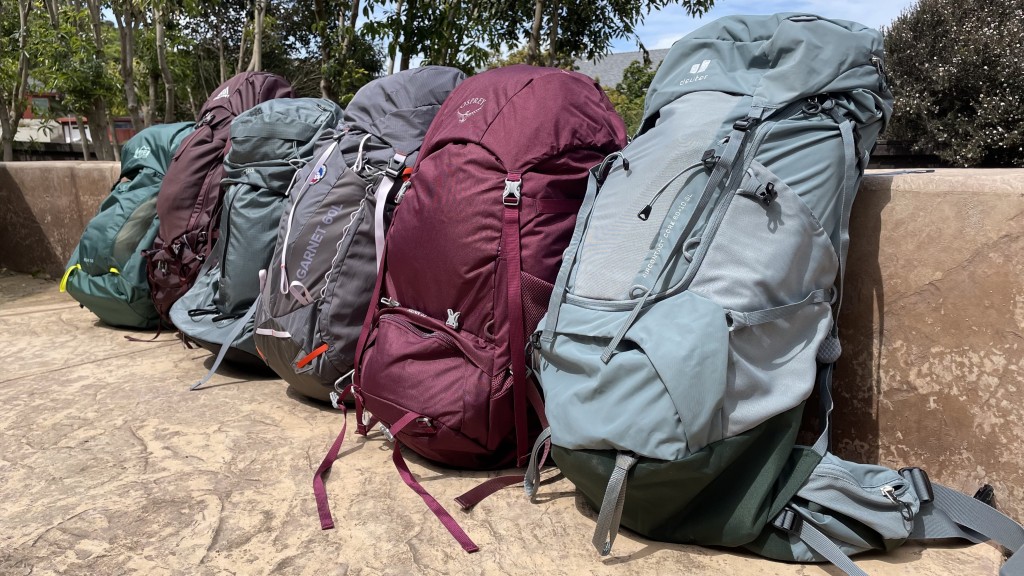
A backpack is an essential piece of gear for any traveler, hiker, or adventurer. It’s not just about finding the right size, but also finding the perfect match for your needs and preferences. With so many options available in the market, it can be overwhelming to choose the best one. However, worry not! We’re here to help you find the perfect backpack for your needs by considering various factors such as type, size, material, features, and more.
1. Define Your Backpacking Style
Your backpacking style plays a significant role in determining the ideal backpack for you. Whether you’re a minimalist hiker or someone who prefers to carry all the essentials and more, understanding your style will help you narrow down your options.
Minimalist Backpacking
Minimalist or ultralight backpackers focus on carrying the lightest and most compact gear possible. They often opt for backpacks with fewer features, smaller capacities, and lighter materials.
Traditional Backpacking
Traditional backpackers usually carry a more comprehensive range of gear, including extra clothing, food, and camping equipment. They prefer backpacks with larger capacities, multiple compartments, and additional features for organization and convenience.
2. Determine the Ideal Backpack Volume
The volume of your backpack, measured in liters, is crucial as it determines how much gear you can carry. Backpack volumes vary depending on the duration and type of trip you’re planning. Here are some general guidelines to help you choose the right backpack volume:
- 15-30 liters: Suitable for day hikes, short trips, or daily use
- 30-50 liters: Ideal for overnight or weekend trips (1-3 nights)
- 50-70 liters: Perfect for multi-day trips (3-5 nights)
- 70+ liters: Recommended for extended trips (5+ nights) or winter adventures
3. Consider the Backpack Material
The material of your backpack affects its durability, weight, and water resistance. Opt for a backpack made from high-quality, water-resistant materials such as treated nylon or polyester. These materials are lightweight, durable, and can withstand harsh weather conditions.
4. Look for Lockable Zippers and Security Features
Choose a backpack with lockable zippers to secure your belongings and prevent theft. Also, consider backpacks with additional security features such as hidden compartments, slash-proof fabric, and RFID-blocking technology.
5. Check the Backpack’s Suspension System
A good suspension system is essential for a comfortable carry, especially when carrying heavy loads. Look for backpacks with padded shoulder straps, a sturdy hip belt, and a well-ventilated back panel. Some backpacks also come with adjustable torso lengths and interchangeable hip belts to ensure a perfect fit.
6. Examine the Backpack’s Features and Compartments
The features and compartments of a backpack can greatly impact your overall experience. Consider the following aspects when choosing a backpack:
- Top-loading vs. panel access: Top-loading backpacks offer easy access to the main compartment, while panel access backpacks allow you to open the entire front panel for better organization and accessibility.
- Pockets and compartments: Look for backpacks with a variety of pockets and compartments, such as side pockets, hip belt pockets, and top lid pockets, to keep your gear organized and easily accessible.
- Attachment points: Opt for backpacks with attachment points for trekking poles, ice axes, helmets, and other gear.
- Hydration compatibility: If you use a hydration bladder, choose a backpack with a dedicated hydration sleeve and hose port.
7. Backpack Fit and Comfort
A well-fitting and comfortable backpack is essential for enjoyable and pain-free adventures. Ensure that your backpack is appropriately sized for your torso length and hip circumference. Additionally, consider gender-specific backpacks that are designed to accommodate the unique contours of men’s and women’s bodies.
8. Backpack Durability and Warranty
Invest in a high-quality backpack that is built to last, especially if you plan to use it frequently. Look for backpacks made with durable materials, strong stitching, and reinforced stress points. Additionally, consider backpacks that come with a warranty to protect your investment.
9. Assess the Backpack’s Weight
A lightweight backpack can make a significant difference in your overall comfort and energy levels during your trip. While durability and features are essential, try to find a balance between weight and functionality.
10. Set a Budget and Compare Prices
Determine your budget and compare prices across various retailers to find the best deal on your chosen backpack. Keep in mind that investing in a high-quality backpack can save you money in the long run, as it’s likely to last longer and require fewer replacements.
As you navigate the countless backpack options available, keep these guidelines in mind to find the perfect backpack for your needs. Remember, the right backpack will not only suit your preferences and requirements but also provide comfort and durability to enhance your overall experience. Happy backpack shopping!

 Tired Camper