The Ultimate Guide to Backpack Camping in National Parks
The allure of backpack camping in national parks is undeniable. The opportunity to explore pristine landscapes, escape the crowds, and immerse yourself in nature offers a unique and unforgettable experience. However, navigating the ins and outs of national park regulations, permits, and camping options can be a daunting task. This comprehensive guide will walk you through everything you need to know about backpack camping in national parks, from understanding designated and dispersed camping options to securing backcountry permits and making the most of your wilderness adventure.
1. Introduction to Backpack Camping in National Parks
Backpack camping allows you to venture deep into the heart of national parks, exploring unspoiled wilderness and enjoying unparalleled solitude. Unlike car camping or RV camping, backpack camping requires you to carry all your gear and supplies on your back, allowing you to access remote areas not accessible via roads or developed campgrounds.
1.1 The Appeal of Backpack Camping
Backpack camping offers numerous benefits, including:
- Seclusion: Escape the crowds and enjoy a more intimate experience with nature.
- Connection: Immerse yourself in the natural beauty of national parks and develop a deeper appreciation for the environment.
- Challenge: Test your physical and mental endurance as you journey through diverse landscapes and tackle varying terrain.
- Adventure: Discover hidden gems and create lasting memories as you explore off-the-beaten-path destinations.
1.2 Types of Backpack Camping
When planning a backpack camping trip in national parks, you’ll encounter two primary options: designated camping and dispersed camping. Understanding the differences between these options is crucial to selecting the right type of camping experience for you.
1.2.1 Designated Camping
Designated camping refers to camping in established campgrounds or specific backcountry sites within national parks. These sites often provide amenities such as toilets, picnic tables, and treated water. Designated campsites typically require reservations and may charge fees.
1.2.2 Dispersed Camping
Dispersed camping involves setting up camp outside of developed campgrounds, often in more remote and secluded areas of national parks. This type of camping offers a more primitive experience, with campers responsible for providing their own water, waste disposal, and other necessities. Dispersed camping may require a backcountry permit and adherence to specific regulations.
2. Securing Backcountry Permits for Backpack Camping in National Parks
Before embarking on your backpack camping adventure, you’ll need to obtain a backcountry permit from the national park you plan to visit. These permits help park officials manage visitor impact on natural resources and ensure the safety of campers.
2.1 How to Obtain a Backcountry Permit
The process for securing a backcountry permit varies by national park. In general, you’ll need to:
- Research the specific permit requirements and regulations for the national park you plan to visit.
- Determine your desired camping dates, locations, and itinerary.
- Complete and submit a backcountry permit application, either online or in person at a park visitor center.
- Pay any applicable permit fees.
- Await confirmation of your permit approval and pick up your permit before starting your backpack camping trip.
2.2 Tips for Securing Backcountry Permits
- Plan ahead: Popular national parks and backpacking routes can fill up quickly, so start researching permit requirements and availability well in advance of your trip.
- Be flexible: Consider alternative dates, routes, or national parks if your preferred options are fully booked.
- Follow regulations: Adhere to all national park rules and regulations, including group size limits, camping restrictions, and Leave No Trace principles.
3. Choosing the Right National Park for Your Backpack Camping Adventure
With over 60 national parks scattered across the United States, selecting the perfect destination for your backpack camping trip can be overwhelming. To help you narrow down your options, consider the following factors:
- Geography and climate: National parks offer a wide range of ecosystems, from desert landscapes to lush forests and towering mountain ranges. Consider the type of environment you’d like to explore and the seasonal climate in each park.
- Trail difficulty: Assess your physical fitness and backpacking experience when selecting a national park and specific trails. Some parks offer challenging terrain and elevation gains, while others provide more moderate options.
- Wildlife and natural features: Consider the unique flora, fauna, and geological features of each national park when making your decision. Some parks are renowned for their wildlife viewing opportunities, while others boast iconic landmarks or stunning scenery.
- Permit availability: Research the availability of backcountry permits for your desired national park and backpacking route. Some parks may have limited permit availability or require advance reservations.
3.1 Top National Parks for Backpack Camping
While each national park offers its own unique backpack camping experience, the following parks are particularly well-suited for wilderness exploration:
- Olympic National Park, Washington: Experience diverse ecosystems, including temperate rainforests, rugged coastline, and alpine meadows.
- Yosemite National Park, California: Discover iconic landmarks like El Capitan and Half Dome, as well as lesser-known backcountry gems.
- Glacier National Park, Montana: Traverse stunning glacial valleys, high mountain passes, and pristine alpine lakes.
- Grand Canyon National Park, Arizona: Venture deep into the heart of one of the world’s most famous canyons, exploring hidden oases and panoramic vistas.
- Great Smoky Mountains National Park, North Carolina and Tennessee: Hike through lush old-growth forests, past cascading waterfalls, and along scenic ridgelines.
4. Preparing for Your Backpack Camping Trip
A successful backpack camping adventure in national parks requires thorough preparation, from selecting the right gear to planning your meals and navigating the backcountry. Keep the following tips in mind as you gear up for your trip:
4.1 Choosing the Right Gear
Pack light and pack smart, prioritizing essential items and selecting gear that serves multiple purposes. Key gear to consider includes:
- Backpack: Choose a comfortable, high-quality pack with ample capacity for your gear and supplies.
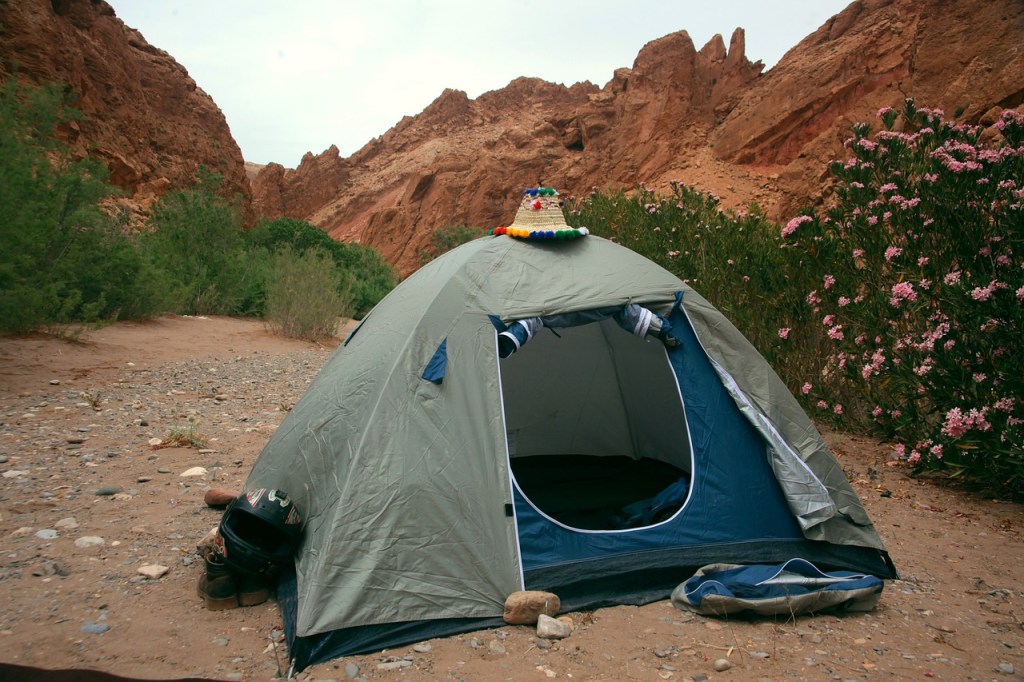
- Tent: Opt for a lightweight, durable tent that accommodates your group size and provides adequate weather protection.
- Sleeping bag and pad: Select a sleeping bag rated for the expected temperature range and a comfortable, insulating sleeping pad.
- Cooking equipment: Bring a compact backpacking stove, fuel, lightweight cookware, and utensils.
- Water treatment: Carry a water filter or purification tablets to ensure a safe water supply in the backcountry.
- Navigation tools: Equip yourself with a detailed topographic map, compass, and potentially a GPS device for backcountry navigation.
- Clothing: Pack appropriate clothing for the expected weather conditions, including moisture-wicking layers, rain gear, and sturdy footwear.
- First aid and safety: Assemble a comprehensive first aid kit and pack essential safety items such as a whistle, headlamp, and multi-tool.
4.2 Planning Your Meals
Plan and prepare your backpacking meals in advance, considering factors like weight, nutrition, and cooking requirements. Opt for lightweight, calorie-dense foods that provide ample energy for your journey. Dehydrated and freeze-dried meals are popular options, as are trail mix, energy bars, and instant oatmeal.
4.3 Navigating the Backcountry
Develop your map-reading and compass skills to confidently navigate the backcountry in national parks. Familiarize yourself with the specific trail markers and signage used in the park you plan to visit. Additionally, consider carrying a GPS device or smartphone with navigation apps as a backup.
4.4 Following Leave No Trace Principles
When backpack camping in national parks, it’s crucial to minimize your impact on the environment and preserve these natural treasures for future generations. Adhere to Leave No Trace principles by:
- Camping on durable surfaces: Set up camp on bare soil or in previously impacted areas, at least 200 feet away from lakes, streams, and trails.
- Packing out all trash and waste: Carry a trash bag for collecting litter and follow park regulations for disposing of human waste.
- Minimizing campfire impact: Use a backpacking stove for cooking, or if fires are allowed, use established fire rings or portable fire pans.
- Respecting wildlife: Observe animals from a distance, store food and garbage securely, and avoid feeding or disturbing wildlife.
5. Enjoying Your Backpack Camping Adventure in National Parks
With careful planning, preparation, and adherence to park regulations, your backpack camping trip in national parks is sure to be a memorable and rewarding experience. Embrace the challenge of self-sufficient wilderness travel, savor the serenity of remote landscapes, and deepen your connection with the natural world as you explore the wonders of America’s national parks.

 Tired Camper