Introduction to finding the perfect campsite
Camping is a fantastic way to escape the hustle and bustle of everyday life, reconnect with nature, and spend quality time with family and friends. Selecting the right place to camp can make all the difference in the world when it comes to enjoying an unforgettable outdoor experience. In this comprehensive guide, I will share with you everything you need to know about selecting the perfect campsite, from understanding different campsite types to hiking to your desired location and setting up the best campsite possible.
When it comes to finding the perfect place to camp, many factors come into play. The type of campsite, the surrounding environment, and the specific camping activities you plan to engage in are all crucial in determining the ideal spot for your next outdoor adventure. By following this guide, you will have all the knowledge you need to make an informed decision and create lasting memories.
Factors to consider when choosing a place to camp
When choosing the perfect place to camp, there are several factors you need to keep in mind to ensure a safe and enjoyable camping experience. Some of the most important considerations include:
1. Location: The location of your campsite is perhaps the most critical factor to consider. You want to find a place that offers easy access to the activities you’re interested in, such as hiking, fishing, or swimming. Be sure to check the proximity to amenities like restrooms, potable water, and parking.
2. Terrain: The terrain of your campsite is essential for both comfort and safety. Look for a flat, level surface to set up your tent, and avoid camping in low-lying areas that might be prone to flooding. It’s also a good idea to choose a site with some natural shelter, such as trees or rock formations, to protect you from the elements.
3. Safety: Your safety should always be a top priority when choosing a place to camp. Be mindful of hazards such as nearby cliffs, falling rocks, or unstable ground. Additionally, consider the wildlife in the area and take appropriate precautions (e.g., storing food properly to avoid attracting bears).
Understanding different campsite types
There are several different types of campsites available, each with its own unique set of advantages and features. Some of the most common campsite types include:
1. Developed campgrounds: These campsites are typically found in national parks, state parks, and private camping facilities. They offer a range of amenities, such as restrooms, showers, and picnic tables, making them a convenient and comfortable option for families or those new to camping.
2. Dispersed camping: Dispersed camping allows you to set up camp in a more remote, undeveloped location, often on public lands such as national forests or Bureau of Land Management (BLM) areas. This type of camping offers a more secluded and serene experience, but it also means you’ll need to be entirely self-sufficient and practice Leave No Trace principles.
3. Backcountry camping: For those seeking a truly immersive wilderness experience, backcountry camping is the way to go. This type of camping involves hiking or backpacking to a remote location, often in designated wilderness areas or national parks. Backcountry camping requires a higher level of skill and preparation, as you’ll need to carry all of your gear and supplies with you and adhere to strict Leave No Trace guidelines.
How to pick a campsite based on your camping needs
Your specific camping needs and preferences will play a significant role in determining the best place to camp. Here are some factors to consider when evaluating potential campsites:
1. Group size: If you’re camping with a large group, you’ll need to find a campsite that can accommodate everyone comfortably. Developed campgrounds often have group campsites available, but if you’re looking for a more remote experience, you may need to split into smaller groups or find a dispersed camping area that allows for larger groups.
2. Privacy: For some campers, privacy is a top priority. If you’re seeking a more secluded experience, consider dispersed or backcountry camping. However, keep in mind that the tradeoff for privacy is often a lack of amenities and a more challenging setup process.
3. Activities: Consider what activities you plan to engage in during your camping trip. If you’re interested in hiking, fishing, or other outdoor pursuits, choose a campsite that is close to trails or bodies of water. Additionally, some campgrounds offer organized activities or programs, such as guided hikes or nature talks, which can be a fun way to enhance your camping experience.
Hiking to your campsite: What to know before you go
If you’re planning to hike to your campsite, there are several important factors to keep in mind:
1. Distance and difficulty: Be realistic about your physical abilities and choose a hike that is appropriate for your fitness level. Additionally, consider the weight of your gear and how it may impact your hiking speed and stamina.
2. Trail conditions: Research the trail conditions before you head out, including any seasonal closures or hazards. Check the weather forecast, and be prepared for changing conditions, as mountain weather can be unpredictable.
3. Navigation: Make sure you have a reliable map and compass (or GPS) and know how to use them. Even well-marked trails can become confusing, particularly if you’re hiking in unfamiliar terrain or poor visibility.
Tips for the best campsite setup
Once you’ve chosen the perfect place to camp, it’s time to set up your campsite. Here are some tips for creating the best campsite setup:
1. Choose the right spot for your tent: Look for a flat, level surface that is free of rocks and roots. Ensure that you’re a safe distance from any potential hazards, such as falling branches or flooding.
2. Organize your campsite: Keep your campsite organized by designating specific areas for cooking, eating, and sleeping. Store all of your gear in a centralized location to make it easy to find and access when you need it.
3. Practice fire safety: If you’re planning to have a campfire, make sure it’s allowed in the area and follow all fire safety guidelines. Keep your fire small and contained, and never leave it unattended.
Perfect camping set up ideas for various environments
Different environments call for different camp setup strategies. Here are some perfect camping set up ideas for various environments:
1. Forest camping: When camping in a forest, choose a site with natural shelter from trees and wind. Make sure to clear any leaves, twigs, or debris from the area where you’ll set up your tent to reduce the risk of a fire.
2. Beach camping: When camping on the beach, look for a site above the high-tide line and away from any sand dunes to avoid potential flooding. Use sand anchors or weights to secure your tent, and consider using a shade structure to protect you from the sun.
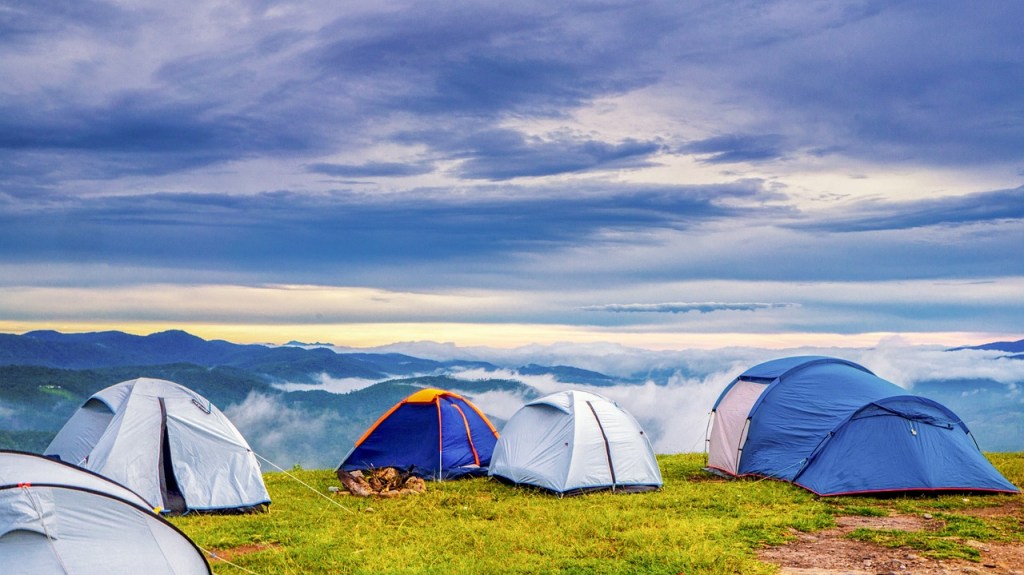
3. Mountain camping: In mountainous environments, choose a campsite that is sheltered from the wind and potential rockfall. Be prepared for rapidly changing weather conditions and pack extra layers to stay warm.
Backpacking campsite selection and setup
Backpacking to your campsite requires a bit of extra planning and preparation. Here are some tips for backpacking campsite selection and setup:
1. Plan your route: Determine the distance and elevation gain of your hike, and choose a campsite that is a manageable distance for your group. Be sure to research any permits or reservations required for your desired location.
2. Pack light: When backpacking, it’s crucial to keep your pack as light as possible. Choose lightweight gear and only bring the essentials to make your hike more enjoyable.
3. Set up camp early: Give yourself plenty of time to set up camp before nightfall. This will allow you to relax and enjoy your surroundings, rather than feeling rushed to find a suitable site in the dark.
Leave No Trace principles and responsible camping
Practicing Leave No Trace principles and responsible camping is essential for preserving our natural spaces for future generations to enjoy. Here are the seven Leave No Trace principles to follow:
- Plan ahead and prepare
- Travel and camp on durable surfaces
- Dispose of waste properly
- Leave what you find
- Minimize campfire impact
- Respect wildlife
- Be considerate of other visitors
By adhering to these principles, you can help protect the environment and ensure that our beautiful outdoor spaces remain unspoiled for years to come.
Conclusion: Enjoying your ideal campsite experience
Finding the perfect place to camp is an essential aspect of enjoying a memorable and enjoyable outdoor adventure. By considering factors such as campsite type, location, and your specific camping needs, you can choose the ideal spot for your next trip. Once you’ve selected your perfect campsite, it’s time to set up camp, explore your surroundings, and immerse yourself in the beauty of nature. Happy camping!

 Tired Camper