
Introduction to the world of RVs and travel trailers
Recreational vehicles (RVs) and travel trailers have been a popular choice for travelers and adventurers for decades. As the modern wanderer seeks out new experiences and destinations, the allure of a comfortable and mobile home-on-wheels has become increasingly attractive. RVs come in various shapes, sizes, and styles, each offering unique benefits and drawbacks. This article aims to provide an in-depth look at the different types of RVs and travel trailers available, from the compact small motorhome to the luxurious class A RVs, to help you make an informed decision on which type of camper is best suited to your needs and lifestyle.
In recent years, the RV industry has experienced significant growth, with more and more people embracing the freedom and flexibility that comes with owning a travel trailer. As a result, there has been an influx of new and innovative RV styles and designs, catering to a wide range of preferences and budgets. Whether you are a solo traveler, a couple, or a family, there is a travel trailer out there that will perfectly match your requirements.
With so many options available, it can be overwhelming for first-time buyers and even seasoned RV enthusiasts to navigate the various types of campers and make the right choice. This comprehensive guide will help simplify the decision-making process, delving into the pros and cons of each RV style and providing valuable tips for finding and purchasing the ideal RV vehicle for your lifestyle.
The importance of choosing the right RV style for your needs
Before you embark on your RV journey, it is essential to carefully consider your individual needs and preferences. The right travel trailer will not only enhance your overall travel experience but also ensure that you make the most of your investment. The factors to consider when choosing an RV style include the size and layout of the vehicle, the amenities provided, the ease of driving and maneuverability, and the affordability of the RV.
The size of the RV will greatly impact your comfort and convenience on the road. Smaller RVs, such as a small motorhome or a class B camper, are generally easier to drive and park, making them ideal for those who are new to RV travel or prefer to explore urban areas. On the other hand, larger RVs, like class A RVs or class C RVs, offer more living space and amenities, making them well-suited for long-term travel or larger groups.
Amenities are another crucial aspect to consider when selecting an RV style. Different types of campers offer varying levels of luxury, from basic facilities to fully-equipped homes on wheels. It is important to strike a balance between your desired level of comfort and your budget.
Lastly, the price of the RV is a significant factor. While a more expensive travel trailer may offer additional benefits and features, it is essential to choose a vehicle that you can comfortably afford without compromising on the essential elements that meet your needs.
Unraveling the RV classes: Class A, Class B, and Class C
Class A RVs: The luxury option for long-term travelers
Class A RVs are the largest and most luxurious of the RV classes. They are built on a bus or truck chassis and can range in length from 30 to 45 feet. These RVs offer an abundance of living space and are often equipped with high-end amenities such as gourmet kitchens, spacious bathrooms, and entertainment systems.
The benefits of owning a class A RV include the unparalleled comfort and amenities provided, making them ideal for long-term travel or full-time living. Additionally, class A RVs typically have a higher towing capacity, allowing you to bring along a smaller vehicle for exploring or running errands.
However, the size and weight of class A RVs can make them more challenging to drive and maneuver, especially in tight spaces and urban areas. Additionally, the fuel consumption and maintenance costs can be higher compared to smaller RVs. Class A RVs also tend to be the most expensive option, which may not be suitable for all budgets.
Class B campers: The perfect balance of size and amenities
Class B campers, also known as camper vans or conversion vans, are built on a standard van chassis and typically range in length from 18 to 24 feet. These compact RVs provide a balance between size, amenities, and affordability, making them a popular choice for solo travelers or couples.
The advantages of a class B camper include their ease of driving and parking, as well as lower fuel consumption and maintenance costs compared to larger RVs. These campers also offer a more intimate and cozy living space, with basic amenities such as a small kitchen, bed, and bathroom.
However, the limited living space and storage in a class B camper may not be suitable for long-term travel or larger groups. Additionally, the amenities provided may be more basic compared to class A or class C RVs.
Class C RVs: Family-friendly and feature-packed
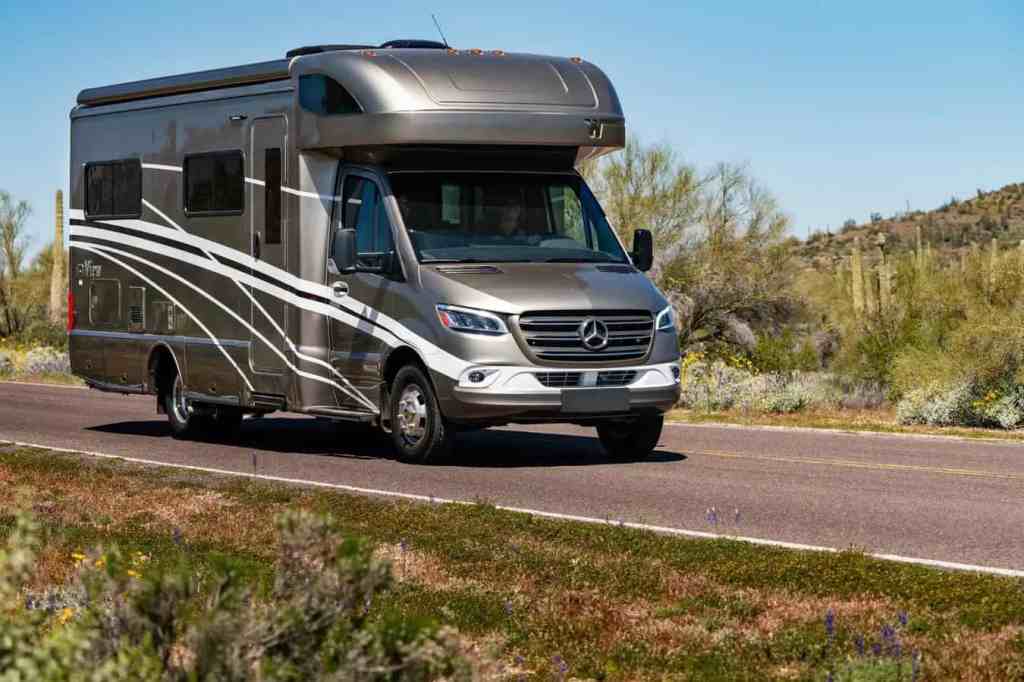
Class C RVs are built on a truck or van chassis, with a distinctive cab-over design that provides additional sleeping or storage space. They typically range in length from 20 to 33 feet and offer a balance between size and amenities, making them an ideal choice for families or larger groups.
The benefits of a class C RV include the spacious living area and sleeping accommodations, which can cater to a larger number of people. These RVs also provide more amenities than class B campers, such as larger kitchens and bathrooms. Class C RVs are generally easier to drive than class A RVs, while still offering a comfortable and feature-packed living space.
However, class C RVs can still be challenging to maneuver in tight spaces and may have higher fuel consumption and maintenance costs compared to smaller RVs. Additionally, the price of a class C RV can vary greatly depending on the features and amenities provided.
Travel trailers: The versatile choice for modern wanderers
Travel trailers are a popular option for modern wanderers due to their versatility and affordability. Unlike motorized RVs, travel trailers are towed behind a separate vehicle, such as a truck or SUV, allowing you to detach the trailer and use your vehicle for exploring or running errands. Travel trailers come in various sizes and styles, accommodating a wide range of budgets and preferences.
The advantages of a travel trailer include the flexibility to choose a tow vehicle that meets your needs, as well as the ability to detach the trailer for convenience or security. Additionally, travel trailers are typically more affordable than motorized RVs and have lower maintenance costs.
On the other hand, the towing process can be intimidating for first-time RV owners and may require additional equipment and practice. Travel trailers also lack the convenience of a built-in engine and cab, meaning you will need to exit your vehicle to access the living space.
Small motorhomes: Compact and convenient for on-the-go adventures
Small motorhomes, such as class B campers and smaller class C RVs, offer a compact and convenient option for those who prefer a more mobile and agile travel experience. These RVs are ideal for on-the-go adventures and can easily navigate urban areas and tight spaces, making them perfect for spontaneous road trips and weekend getaways.
The benefits of a small motorhome include the ease of driving and parking, lower fuel consumption, and more affordable maintenance costs compared to larger RVs. Additionally, these compact RVs are generally more budget-friendly and provide a cozy and intimate living space that is perfect for solo travelers or couples.
However, the smaller size of a small motorhome may limit the living space, storage, and amenities provided, which may not be suitable for long-term travel or larger groups.
Making the right choice: Comparing the pros and cons of different RV styles
When comparing the various RV styles, it is important to weigh the pros and cons of each option based on your individual needs and preferences. Consider factors such as the size and layout of the RV, the amenities provided, the ease of driving and maneuverability, and the affordability of the vehicle.
For those seeking the ultimate luxury and comfort for long-term travel or full-time living, class A RVs are an excellent choice. However, be prepared for higher fuel consumption, maintenance costs, and challenges in driving and maneuvering these large vehicles.
If you prefer a balance between size and amenities, class B campers and class C RVs offer a range of options to suit various preferences and budgets. While class B campers provide a cozy and intimate living space for solo travelers or couples, class C RVs cater to larger groups and families with their spacious accommodations and feature-packed amenities.
Travel trailers are a versatile and cost-effective option for those who value flexibility and affordability. However, consider the additional equipment and practice required for towing, as well as the need for a suitable tow vehicle.
Lastly, small motorhomes are ideal for those who prioritize mobility and convenience for on-the-go adventures.
Tips for finding and purchasing the ideal RV vehicle for your lifestyle
- Research: Begin by researching the various types of campers and RV styles available. Read articles, watch videos, and visit RV shows or dealerships to familiarize yourself with the different options and features.
- Assess your needs: Consider factors such as the size of your travel party, the duration of your trips, the destinations you plan to visit, and your budget.
- Test drive: Arrange test drives for the RV styles you are interested in, as this will provide valuable insight into the ease of driving and maneuverability of each vehicle.
- Ask questions: Consult with experienced RV owners or sales representatives to gain additional knowledge and advice on choosing the right RV style for your needs.
- Consider used RVs: Purchasing a used RV can be a cost-effective option, but be sure to carefully inspect the vehicle for any signs of wear or damage.
- Negotiate: Don’t be afraid to negotiate the price of your chosen RV, as dealerships often have some flexibility in their pricing.
Conclusion: Embracing the modern wanderer lifestyle with the perfect travel trailer
The modern wanderer lifestyle is one of freedom, adventure, and exploration. By choosing the right travel trailer for your needs and preferences, you can fully embrace this lifestyle and make the most of your journeys. Whether you opt for a luxurious class A RV, a versatile travel trailer, or a compact small motorhome, your chosen vehicle will provide a comfortable and mobile home-on-wheels that will enhance your overall travel experience.
Take the time to carefully consider your needs, research the various RV styles available, and consult with experienced RV owners or sales representatives to ensure you make an informed decision. With the perfect travel trailer in tow, you can embark on unforgettable adventures and create lasting memories on the open road.

 Tired Camper