
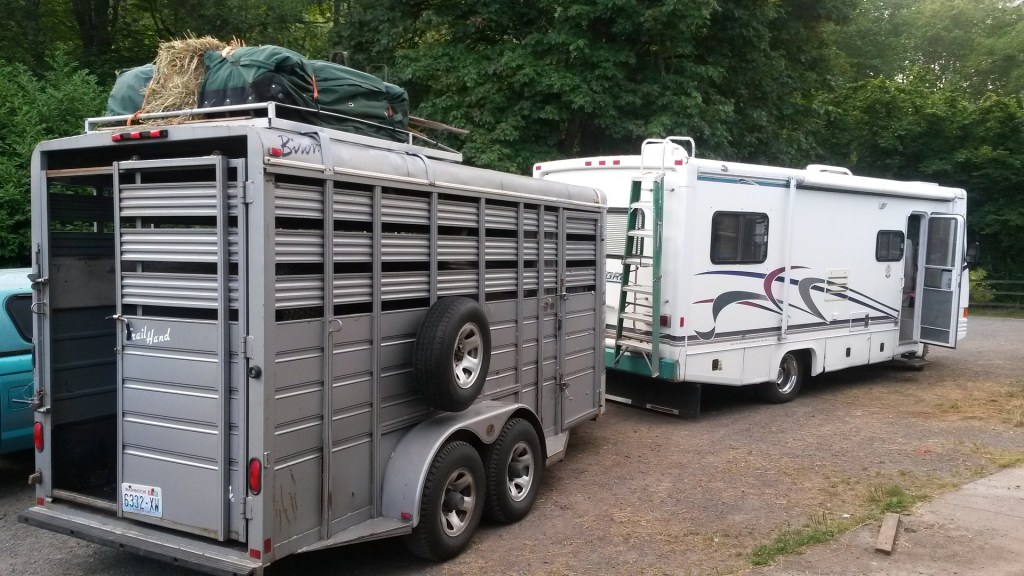
The history of travel trailers and recreational vehicles (RVs) is a fascinating tale of innovation, adventure, and the indomitable American spirit. From humble beginnings with makeshift tents on car platforms to luxurious motorhomes offering all the comforts of home, the evolution of RVs has been driven by a desire for freedom, exploration, and a connection with the great outdoors. In this comprehensive article, we will delve into the origins of RVs and campers, their impact on travel culture, and the various milestones that have shaped the industry over the past century.
1. The Roots of RVs and Campers
1.1 Nomadic Inspirations
The concept of a “home on wheels” can be traced back to the nomadic cultures of the 16th century. The Romanichal people, also known as “Gypsies,” traveled throughout Europe in horse-drawn covered wagons, living a mobile lifestyle. These early mobile dwellings provided the foundation for the development of RVs and campers in the centuries to come.
1.2 The Ancestral History of the RV
The evolution of RVs and campers began in earnest in the early 20th century, as automobiles became more accessible and affordable. The popularization of the automobile, along with improvements in road infrastructure, led to a rise in cross-country travel and the desire for portable, comfortable accommodations. This era saw the birth of the first tent trailers, custom-built motorhomes, and the beginnings of the modern RV industry.
2. The Antique RV Era (1910-1945)
2.1 The First RVs and Campers
In 1910, the first production RVs and campers emerged, with the debut of Pierce-Arrow’s Touring Landau at Madison Square Garden. This innovative vehicle featured a telephone, toilet, and folding bed, all housed within a luxurious, comfortable interior. Although some individual, custom-built RVs and campers had existed prior to the Touring Landau, this marked the beginning of mainstream RV culture.
2.2 The Conklin Gypsy Van: A Pioneering Motorhome
Another influential RV of this era was the 1915 Conklin Gypsy Van, a custom-built 25-foot, 8-ton motorhome with a full kitchen, shower, and folding lavatory. The Conklin family embarked on a cross-country trip from New York to San Francisco, capturing the imagination of the public and inspiring a new wave of RV enthusiasts.
2.3 The Growth of RV Popularity
As the popularity of RVs and campers grew, so too did the variety of models available. The 1920s and 1930s saw the introduction of more sophisticated and comfortable travel trailers, featuring built-in kitchens, beds, and other amenities. These advancements helped to make RV travel more accessible and appealing to a wider audience, contributing to the boom in RV ownership during this period.
3. The Mid-Century Evolution of RVs and Campers
3.1 The Rise of the Airstream Trailer
The 1930s also saw the birth of the iconic Airstream trailer, a sleek, aluminum-shelled travel trailer that has become synonymous with RV travel. The brainchild of Wally Byam, the Airstream trailer combined modern conveniences with a unique, aerodynamic design that was both stylish and practical.
3.2 The Covered Wagon: A Classic Travel Trailer
Another notable RV of this era was the Covered Wagon, created by Arthur G. Sherman in 1930. Inspired by a frustrating camping experience, Sherman designed a solid-body travel trailer that was easier to set up and more comfortable than traditional tent trailers. The Covered Wagon became the foundation for future travel trailers and marked the beginning of the solid-body RV industry.
3.3 The Rise of RV Manufacturing
The 1940s and 1950s saw a surge in RV manufacturing, with many of today’s top RV brands getting their start during this time. Companies such as Coachmen, Dutchmen, Fleetwood, Holiday Rambler, Jayco, Monaco, Palomino, Puma, Starcraft, and Tiffin all began producing a wide range of RVs and campers to cater to the growing demand for mobile accommodations.
4. The Modern Era of RVs and Campers (1960-Present)
4.1 The Advent of Class B and Class C Motorhomes
The 1960s marked a turning point in the evolution of RVs, with the introduction of Class B and Class C motorhomes. These smaller, more agile vehicles offered many of the comforts and conveniences of larger RVs, but in a more compact and maneuverable package. The rise of Class B and Class C motorhomes coincided with a growing interest in van life and off-grid living, as more Americans sought to escape the constraints of traditional housing and embrace the freedom of life on the road.
4.2 The Ford F-53 Chassis: A Game Changer for Gas-Powered RVs
In the 1990s, the Ford F-53 chassis revolutionized the gas-powered RV market. With its sturdy construction, powerful engine, and compatibility with a wide range of motorhome styles, the F-53 quickly became the go-to choice for many RV manufacturers. Today, the Ford F-53 chassis remains a popular choice for gas-powered Class A motorhomes.
4.3 The Sprinter Van: A New Era of Van Life
The early 2000s saw the introduction of the Mercedes-Benz Sprinter van, which quickly became a favorite among van life enthusiasts and Class B motorhome manufacturers. Its tall roof, narrow body, and fuel-efficient diesel engine made the Sprinter an ideal platform for RV conversions and custom builds. The Sprinter’s popularity has since spawned a new wave of van-based RVs, including the Ford Transit and the Ram ProMaster.
5. The Evolution of RV Features and Amenities
5.1 Early Innovations
The earliest RVs were relatively basic in terms of features and amenities, with simple beds, kitchens, and storage spaces. However, as the RV industry evolved, so too did the range of features and comforts available to RVers. Some of the most iconic RV innovations of the early 20th century include the addition of onboard bathrooms, electric lighting, and folding furniture.
5.2 Mid-Century Advancements
The mid-century era saw significant advancements in RV design and technology. Aerodynamic styling, lightweight materials, and improved interior layouts became the norm, as manufacturers sought to create more comfortable and user-friendly RVs. Key innovations from this period include the introduction of plumbing systems, refrigeration, and dedicated sleeping quarters.
5.3 Modern Luxuries
Today’s RVs are a far cry from their early predecessors, with many offering a level of luxury and comfort that rivals high-end homes. Modern RV amenities include granite countertops, heated flooring, king-size beds, multiple bathrooms, and state-of-the-art entertainment systems. As technology continues to advance, it’s likely that RVs will become even more sophisticated and feature-rich in the years to come.
6. The Impact of RVs on Travel Culture
6.1 The Rise of the RV Lifestyle
The popularity of RVs has had a profound impact on American travel culture, giving rise to a unique lifestyle that revolves around freedom, exploration, and a connection with nature. From the early days of the Tin Can Tourists to the modern van life movement, RVing has become synonymous with adventure and a love for the open road.
6.2 The Growth of RV Camping Clubs and Communities
RV camping clubs and communities have been a fixture of the RV lifestyle since the early 20th century, with the Tin Can Tourists serving as one of the first organized groups of RV enthusiasts. Today, there are countless RV clubs and communities catering to a wide range of interests and demographics, from full-time RVers and retirees to off-road adventurers and eco-conscious travelers.
6.3 The Emergence of RV-friendly Destinations and Infrastructure
As the popularity of RV travel has grown, so too has the availability of RV-friendly destinations and infrastructure. From national parks and campgrounds to dedicated RV resorts and services, there are now countless options for RVers seeking to explore the country and enjoy the comforts of home on the road.
7. The Future of RVs and Campers
7.1 The Rise of Eco-Friendly RVs
As environmental concerns become increasingly important, the RV industry is responding with the development of more eco-friendly RVs and campers. From lightweight designs and energy-efficient appliances to solar power systems and electric drivetrains, the future of RVs is likely to be greener and more sustainable than ever before.
7.2 The Growth of the RV Rental Market
The rise of the sharing economy has also had an impact on the RV industry, with a growing number of people opting to rent RVs and campers for short-term trips rather than purchasing their own. This trend is likely to continue as more people discover the freedom and flexibility of RV travel, without the need for long-term commitment or investment.
7.3 The Continued Evolution of RV Design and Technology
As technology continues to advance, it’s likely that the RVs of the future will become even more sophisticated and feature-rich. From self-driving capabilities and advanced safety systems to cutting-edge entertainment and connectivity options, the possibilities for the next generation of RVs are virtually limitless.
8. The RV Hall of Fame
The RV/MH Hall of Fame, located in Elkhart, Indiana, serves as a tribute to the history and evolution of RVs and campers. The museum features an extensive collection of vintage and modern RVs, as well as exhibits showcasing the industry’s pioneers and innovators. A visit to the RV Hall of Fame offers a fascinating glimpse into the past, present, and future of RV travel.
9. RVs in Pop Culture
Over the years, RVs have made their mark on popular culture, appearing in numerous movies, TV shows, and even inspiring toys and collectibles. From the iconic Airstream trailers of the silver screen to the meth lab on wheels featured in “Breaking Bad,” RVs have become a familiar and enduring symbol of adventure, freedom, and the American dream.
10. In Conclusion
The history of travel trailers and RVs is a testament to the enduring appeal of life on the open road. From their humble beginnings as canvas tents on car platforms to the luxurious motorhomes of today, RVs have come a long way in providing travelers with the freedom and comfort to explore the world at their own pace. As technology and design continue to evolve, there’s no doubt that the RV industry will continue to thrive, inspiring new generations of adventurers to hit the road and embrace the RV lifestyle.

 Tired Camper