
Introduction to RV Investments
Investing in an RV is an exciting endeavor that opens up a world of possibilities for travel, adventure, and even a new way of life. However, before diving into this adventure, it’s essential to understand how much does an RV cost and the various factors that can influence this investment. In this comprehensive guide, we will explore the different aspects of RV ownership, including the types of RVs available, their price ranges, and the ongoing expenses associated with RV living. By the end of this article, you will be armed with the knowledge needed to make an informed decision about your RV investment.
Factors Affecting the Cost of an RV
When determining how much an RV costs, there are several factors to consider. These factors include the type of RV, the age and condition of the vehicle, and the features and amenities it offers. Additionally, the cost of an RV can be influenced by the time of year you purchase, as well as regional market trends.
- Type of RV: There is a wide variety of RVs available on the market, ranging from small, towable campers to luxurious motorhomes. Generally, the larger and more luxurious the RV, the higher the cost.
- Age and Condition: A brand-new RV will typically cost more than a used one. However, the price of a used RV can vary greatly depending on its age, condition, and maintenance history.
- Features and Amenities: RVs come equipped with a range of features and amenities, such as appliances, entertainment systems, and outdoor living spaces. The more amenities and features an RV has, the higher its price will be.
- Time of Year: The RV market is seasonal, with demand and prices usually peaking during the spring and summer months. Purchasing an RV during the off-season can often result in a lower price.
- Regional Market Trends: The cost of an RV can vary depending on where you live. Some regions have a higher demand for RVs, which can drive up prices.
How Much Does an RV Cost: Types of RVs and Their Price Ranges
There are several types of RVs available, each with its own price range. The following is an overview of the most common RV types and their approximate price ranges:
- Class A Motorhomes: These are the largest and most luxurious RVs, with spacious interiors and a wide range of amenities. Class A motorhomes can range in price from $50,000 for older, used models, up to $1 million or more for high-end, custom-built models.
- Class B Motorhomes: Often referred to as “camper vans,” Class B motorhomes are smaller and more maneuverable than Class A models. They typically cost between $40,000 and $120,000, depending on the age, condition, and features of the vehicle.
- Class C Motorhomes: A popular choice for families, Class C motorhomes offer a balance of space and affordability. They usually range in price from $50,000 to $150,000.
- Fifth-Wheel Trailers: These towable RVs offer spacious living areas and are often more affordable than motorhomes. Prices for fifth-wheel trailers can range from $30,000 to $100,000 or more, depending on size and amenities.
- Travel Trailers: Travel trailers are another towable RV option, with a wide range of sizes and prices. Smaller travel trailers can cost as little as $10,000, while larger models can range up to $50,000 or more.
How Much Are RVs to Buy: New vs. Used RVs
When it comes to purchasing an RV, one of the most important decisions you will need to make is whether to buy new or used. Each option has its advantages and disadvantages, which we will explore below.
New RVs:
Pros:
- Customization options: When purchasing a new RV, you can often choose the specific features and amenities you want, tailoring the vehicle to your preferences.
- Warranty: New RVs typically come with a manufacturer’s warranty, which can provide peace of mind and financial protection in case of mechanical issues.
- Fewer maintenance concerns: A new RV is less likely to have the wear and tear that can lead to maintenance issues.
Cons:
- Depreciation: New RVs can lose a significant portion of their value as soon as they leave the dealership, which can impact your investment.
- Higher upfront cost: New RVs typically have a higher purchase price than used models.
Used RVs:
Pros:
- Lower upfront cost: Used RVs are generally more affordable than new models, making them a more accessible option for many buyers.
- Slower depreciation: Since used RVs have already experienced the initial depreciation hit, they tend to hold their value better over time.
- Potential for customization: With the money saved by purchasing a used RV, you can invest in upgrades and customizations to make the vehicle your own.
Cons:
- Maintenance concerns: Used RVs may have more wear and tear, which can lead to maintenance issues and expenses down the road.
- Limited warranty options: While some used RVs may still have a remaining manufacturer’s warranty, others will not, which can leave you responsible for any repairs needed.
Cost of RV Living: Ongoing Expenses
In addition to the initial purchase price of an RV, there are ongoing expenses associated with RV living. These expenses can include:
- Fuel: The cost of fuel is a significant expense for RV owners, especially for larger motorhomes with lower fuel efficiency.
- Insurance: RV insurance is essential for protecting your investment, and the cost will depend on factors such as the type and value of your RV, your driving history, and the coverage options you choose.
- Maintenance and Repairs: Regular maintenance and occasional repairs are necessary to keep your RV in good working condition. These costs can vary based on the age and condition of your RV.
- RV Storage: If you do not have space to store your RV at your home, you may need to pay for RV storage, which can range from $50 to $300 per month, depending on the type of storage and location.
- Camping Fees: While some RVers choose to boondock, or camp for free on public lands, others prefer the amenities and security of RV parks and campgrounds, which can charge nightly or monthly fees.
- Utilities: Even when staying in campgrounds, you may need to pay for utilities such as electricity, water, and sewer.
- Internet and Entertainment: Many RVers choose to invest in mobile internet and entertainment options to stay connected and entertained while on the road.
Cost of a Camper: Travel Trailers and Smaller Options
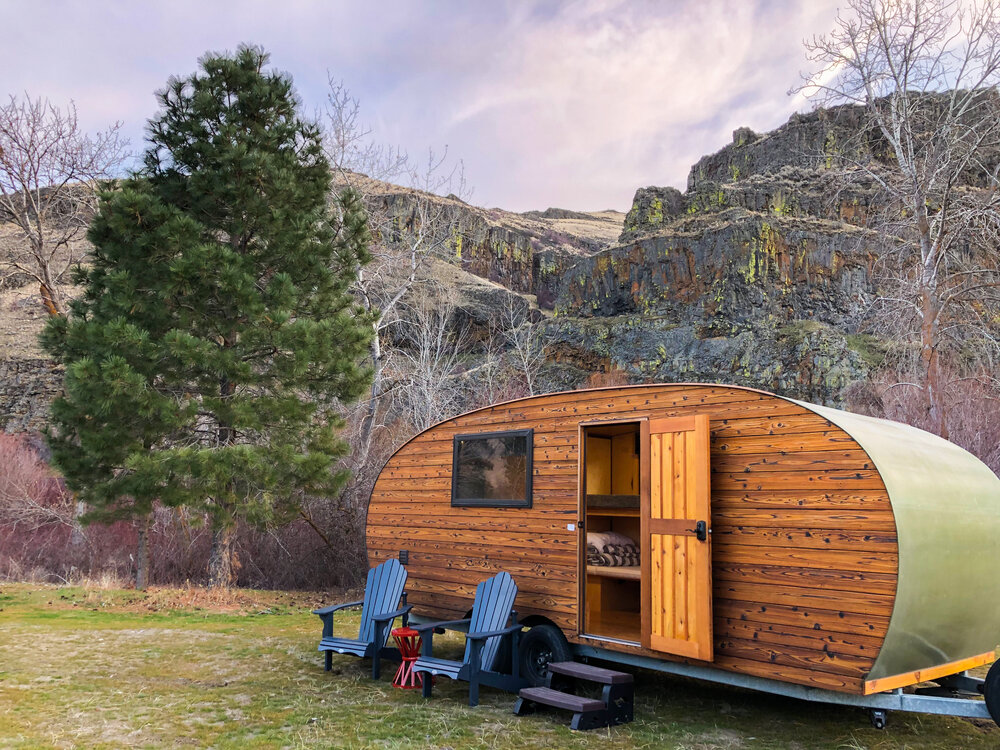
If you’re interested in RV life but have budget constraints, consider looking into smaller options like travel trailers and campers. These options provide an affordable entry point into the world of RVing, with prices ranging from $10,000 to $50,000 or more. While travel trailers and campers may not offer the same level of luxury and amenities as larger motorhomes, they can still provide a comfortable and enjoyable RV experience.
Keep in mind that smaller RV options will still come with ongoing expenses, such as maintenance, insurance, and camping fees. However, these costs are often lower than those associated with larger motorhomes, making travel trailers and campers a more budget-friendly option for many RV enthusiasts.
Living in an RV Full Time Cost: Pros and Cons
For some, the idea of living in an RV full-time is an appealing lifestyle choice. There are pros and cons to this decision, which we will explore below:
Pros:
- Cost savings: Living in an RV can potentially save you money on housing and utility costs, depending on your lifestyle and the cost of the RV itself.
- Flexibility and freedom: Full-time RV living allows you to travel and explore at your own pace, providing a sense of freedom and adventure.
- Simplified lifestyle: Downsizing to an RV can encourage a more minimalist and streamlined way of life, reducing clutter and stress.
Cons:
- Limited space: Living in an RV full-time means adapting to a smaller living space, which can be challenging for some individuals and families.
- Ongoing expenses: While full-time RV living may save on housing costs, there are still ongoing expenses to consider, such as maintenance, insurance, and campground fees.
- Lack of stability: For those who crave stability and routine, the nomadic lifestyle of full-time RV living may not be a goodfit.
Overall, the decision to live in an RV full-time should be carefully considered and weighed against your personal lifestyle preferences and financial situation.
Tips for Reducing RV Costs and Maximizing Your Investment
While RV ownership can come with significant expenses, there are several ways to reduce costs and maximize your investment. Here are a few tips to consider:
- Choose a smaller RV: As mentioned earlier, smaller RV options like travel trailers and campers can be more budget-friendly than larger motorhomes.
- Shop for used RVs: Purchasing a used RV can save you a significant amount of money compared to buying new.
- Perform regular maintenance: Regular maintenance can help prevent costly repairs down the road.
- Reduce fuel consumption: Consider driving at a slower speed to improve fuel efficiency, and avoid idling your RV when possible.
- Boondock: Camping for free on public lands or using RV parking apps like Boondockers Welcome can help reduce camping fees.
- Join RV membership clubs: RV membership clubs like Good Sam and Escapees offer discounts on camping fees, fuel, RV insurance, and more.
- Invest in solar power: Installing solar panels can help reduce your reliance on campsite utilities, lowering your expenses.
Financing Options for Purchasing an RV
If you’re considering purchasing an RV but don’t have the funds to pay for it outright, there are several financing options available. These include:
- RV Loans: Many banks and credit unions offer RV loans with flexible repayment terms and competitive interest rates.
- RV Dealership Financing: Some RV dealerships offer financing options for their vehicles, although the interest rates may be higher than with a traditional bank loan.
- Home Equity Loans: If you own a home, you may be able to take out a home equity loan to finance an RV purchase.
- Personal Loans: Personal loans can be used for a variety of purposes, including financing an RV purchase. However, interest rates may be higher than with other loan options.
When considering financing options, be sure to carefully review the terms and interest rates to ensure you’re making an informed decision.
Conclusion: Making the Right RV Investment Decision
Investing in an RV can be a significant financial commitment, but it can also provide a lifetime of adventure and memories. By understanding how much an RV costs and the ongoing expenses associated with RV living, you can make an informed decision about whether RV ownership is right for you. Consider factors such as the type of RV, new vs. used options, ongoing expenses, and financing options to determine the best course of action for your budget and lifestyle.
Remember, RV ownership is an investment, and like any investment, it requires careful consideration and planning. By following the tips and advice outlined in this guide, you can reduce costs, maximize your investment, and enjoy all the benefits that RV living has to offer.
Ready to start your RV adventure? Visit your local RV dealership or start researching RV options online to find the perfect vehicle for your needs and budget. Don’t forget to consider ongoing expenses and financing options to ensure a successful RV investment.

 Tired Camper