
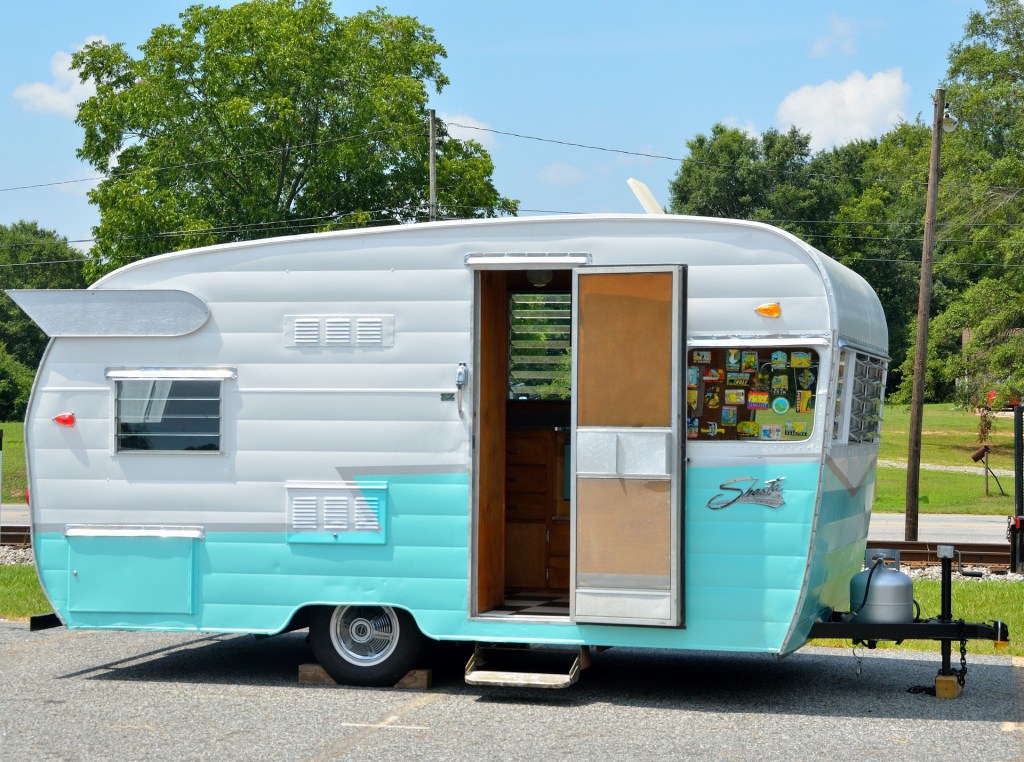
Introduction to RV selection
As a passionate traveler and avid camper, I’ve had my fair share of experiences when it comes to selecting the perfect RV for my adventures. The process can be quite overwhelming, especially for first-time buyers, as there are so many factors to consider, such as budget, storage space, and desired features. This blog article aims to provide you with helpful insights and tips on how to master the art of RV selection and find the ideal travel trailer size for your needs. By the end of this read, you should be well-equipped to make an informed decision and hit the road in style and comfort.
Understanding the different RV sizes and types
Before we dive into the factors to consider when choosing the ideal RV size, it’s essential to understand the various RV sizes and types available in the market. RVs come in all shapes and sizes, but they can generally be grouped into three main categories:
- Motorized RVs: These self-propelled RVs are built on a motor vehicle chassis and often come with a living space that can be accessed from the driver’s seat. Examples of motorized RVs include Class A, B, and C motorhomes.
- Towable RVs: As the name suggests, these RVs are designed to be towed behind a vehicle. They include travel trailers, fifth-wheel trailers, and pop-up campers.
- Truck campers: These compact campers are designed to be mounted on the bed of a pickup truck, offering a cozy and convenient living space.
Each of these RV types comes in a variety of sizes, with some being more suitable for specific needs and budgets than others. Keep reading as we delve into the factors to consider when selecting the ideal RV size.
Factors to consider when choosing the ideal RV size
a. Budget constraints
One of the most critical factors when selecting an RV is your budget. Prices can vary significantly depending on the RV size, type, and features. Smaller RVs, such as pop-up campers and truck campers, are generally more affordable compared to larger motorhomes and travel trailers. It’s essential to determine your budget before starting your search and be realistic about what you can afford.
b. Storage space requirements
Storage space is another crucial factor to consider when selecting an RV size. Think about how much gear, clothing, and supplies you’ll be bringing along on your trips, as well as the number of people who will be traveling with you. If you plan on taking extended trips or have a larger family, you’ll likely need more storage space, which can be found in larger RVs.
c. Desired features and amenities
The features and amenities you desire in an RV will also play a significant role in determining the ideal size. Some people prefer a simple, minimalist setup, while others want all the comforts of home, such as a full kitchen, bathroom, and entertainment system. Make a list of your must-have features and use that to help guide your search for the perfect RV.
How to determine the right RV length for your needs
Determining the right RV length for your needs is crucial for a comfortable and enjoyable camping experience. As a general rule of thumb, the longer the RV, the more living and storage space it offers. However, longer RVs can also be more challenging to maneuver, park, and maintain. Consider the following factors when determining the right RV length for your needs:
- Number of occupants: The more people you’ll be traveling with, the more space you’ll need for sleeping, dining, and lounging.
- Length of trips: If you plan on taking shorter weekend trips, a smaller RV may be sufficient. However, if you intend to embark on extended vacations or even full-time RV living, a larger RV will provide more comfort and amenities.
- Towing capacity: If you’re considering a towable RV, make sure to check your vehicle’s towing capacity to ensure it can safely tow the trailer’s weight. This may limit the size of the RV you can choose.
Pros and cons of various travel trailer sizes
Each travel trailer size comes with its own set of pros and cons. Here’s a quick overview of some general advantages and disadvantages of different travel trailer sizes:
Small travel trailers (under 20 feet)
Pros:
- Affordable
- Easy to tow and maneuver
- Fits in most campsites
Cons:
- Limited living and storage space
- May lack certain amenities
Medium travel trailers (20-30 feet)
Pros:
- More living and storage space than smaller trailers
- Still relatively easy to tow and maneuver
- Offers a good balance between size and features
Cons:
- More expensive than smaller trailers
- May require a larger tow vehicle
Large travel trailers (over 30 feet)
Pros:
- Spacious living and storage areas
- Often comes with more features and amenities
Cons:
- Expensive
- Requires a larger tow vehicle
- Can be difficult to maneuver and park
The importance of camper lengths in maneuverability and parking
Camper lengths play a significant role in maneuverability and parking. Larger RVs can be more challenging to navigate through tight spaces, such as narrow roads, parking lots, and campsites. Additionally, some campgrounds have length restrictions, limiting the size of RVs that can be accommodated. If you plan to visit national parks or campgrounds with size restrictions, a smaller RV may be a better option.
Tips for test-driving and inspecting potential RVs
Before making a purchase, it’s essential to test-drive and inspect potential RVs to ensure they meet your needs and expectations. Here are some tips for a successful test-drive and inspection:
- Test-drive the RV on various types of roads to assess its handling, acceleration, and braking performance.
- Check the visibility from the driver’s seat, as well as the ease of accessing controls and switches.
- Inspect the RV’s exterior for any signs of damage, rust, or leaks.
- Examine the interior for any signs of wear and tear, mold, or water damage.
- Test all appliances, systems, and features to ensure they’re in proper working order.
Balancing budget, storage space, and features for the perfect RV
Finding the perfect RV requires balancing your budget, storage space requirements, and desired features. Start by determining your budget and make a list of your must-have features. Use this information to narrow down your options and consider the pros and cons of various travel trailer sizes. Remember that the ideal RV should be a comfortable and functional space that meets your needs without breaking the bank.
Top travel trailer brands and models to consider
If you’re unsure where to start your search, here are some top travel trailer brands and models to consider:
- Airstream: Known for their iconic silver bullet design, Airstream offers a range of travel trailers with high-quality construction and luxurious features.
- Forest River: With an extensive lineup of travel trailers, Forest River offers options for various budgets and preferences, from compact and lightweight trailers to spacious and feature-packed models.
- Grand Design: Grand Design is known for their innovative floorplans and attention to detail, offering travel trailers with well-designed living spaces and ample storage.
- Jayco: With a reputation for quality and durability, Jayco offers a wide selection of travel trailers to suit different needs and budgets.
- Winnebago: As a trusted name in the RV industry, Winnebago offers a variety of travel trailers with innovative designs and features.
Conclusion: Making an informed decision on your ideal RV size
Selecting the ideal RV size for your needs can be a daunting task, but with careful consideration of your budget, storage space requirements, and desired features, you can make an informed decision that meets your needs and ensures a comfortable and enjoyable camping experience. Take the time to research different RV sizes and types, test-drive and inspect potential RVs, and weigh the pros and cons of various travel trailer sizes. With patience and persistence, you’ll find the perfect RV to embark on your next adventure. Happy camping!
## Introduction to RV selection
As a passionate traveler and avid camper, I’ve had my fair share of experiences when it comes to selecting the perfect RV for my adventures. The process can be quite overwhelming, especially for first-time buyers, as there are so many factors to consider, such as budget, storage space, and desired features. This blog article aims to provide you with helpful insights and tips on how to master the art of RV selection and find the ideal travel trailer size for your needs. By the end of this read, you should be well-equipped to make an informed decision and hit the road in style and comfort.
Understanding the different RV sizes and types
Before we dive into the factors to consider when choosing the ideal RV size, it’s essential to understand the various RV sizes and types available in the market. RVs come in all shapes and sizes, but they can generally be grouped into three main categories:
- Motorized RVs: These self-propelled RVs are built on a motor vehicle chassis and often come with a living space that can be accessed from the driver’s seat. Examples of motorized RVs include Class A, B, and C motorhomes.
- Towable RVs: As the name suggests, these RVs are designed to be towed behind a vehicle. They include travel trailers, fifth-wheel trailers, and pop-up campers.
- Truck campers: These compact campers are designed to be mounted on the bed of a pickup truck, offering a cozy and convenient living space.
Each of these RV types comes in a variety of sizes, with some being more suitable for specific needs and budgets than others. Keep reading as we delve into the factors to consider when selecting the ideal RV size.
Factors to consider when choosing the ideal RV size
a. Budget constraints
One of the most critical factors when selecting an RV is your budget. Prices can vary significantly depending on the RV size, type, and features. Smaller RVs, such as pop-up campers and truck campers, are generally more affordable compared to larger motorhomes and travel trailers. It’s essential to determine your budget before starting your search and be realistic about what you can afford.
b. Storage space requirements
Storage space is another crucial factor to consider when selecting an RV size. Think about how much gear, clothing, and supplies you’ll be bringing along on your trips, as well as the number of people who will be traveling with you. If you plan on taking extended trips or have a larger family, you’ll likely need more storage space, which can be found in larger RVs.
c. Desired features and amenities
The features and amenities you desire in an RV will also play a significant role in determining the ideal size. Some people prefer a simple, minimalist setup, while others want all the comforts of home, such as a full kitchen, bathroom, and entertainment system. Make a list of your must-have features and use that to help guide your search for the perfect RV.
How to determine the right RV length for your needs
Determining the right RV length for your needs is crucial for a comfortable and enjoyable camping experience. As a general rule of thumb, the longer the RV, the more living and storage space it offers. However, longer RVs can also be more challenging to maneuver, park, and maintain. Consider the following factors when determining the right RV length for your needs:
- Number of occupants: The more people you’ll be traveling with, the more space you’ll need for sleeping, dining, and lounging.
- Length of trips: If you plan on taking shorter weekend trips, a smaller RV may be sufficient. However, if you intend to embark on extended vacations or even full-time RV living, a larger RV will provide more comfort and amenities.
- Towing capacity: If you’re considering a towable RV, make sure to check your vehicle’s towing capacity to ensure it can safely tow the trailer’s weight. This may limit the size of the RV you can choose.
Pros and cons of various travel trailer sizes
Each travel trailer size comes with its own set of pros and cons. Here’s a quick overview of some general advantages and disadvantages of different travel trailer sizes:
Small travel trailers (under 20 feet)
Pros:
- Affordable
- Easy to tow and maneuver
- Fits in most campsites
Cons:
- Limited living and storage space
- May lack certain amenities
Medium travel trailers (20-30 feet)
Pros:
- More living and storage space than smaller trailers
- Still relatively easy to tow and maneuver
- Offers a good balance between size and features
Cons:
- More expensive than smaller trailers
- May require a larger tow vehicle
Large travel trailers (over 30 feet)
Pros:
- Spacious living and storage areas
- Often comes with more features and amenities
Cons:
- Expensive
- Requires a larger tow vehicle
- Can be difficult to maneuver and park
The importance of camper lengths in maneuverability and parking
Camper lengths play a significant role in maneuverability and parking. Larger RVs can be more challenging to navigate through tight spaces, such as narrow roads, parking lots, and campsites. Additionally, some campgrounds have length restrictions, limiting the size of RVs that can be accommodated. If you plan to visit national parks or campgrounds with size restrictions, a smaller RV may be a better option.
Tips for test-driving and inspecting potential RVs
Before making a purchase, it’s essential to test-drive and inspect potential RVs to ensure they meet your needs and expectations. Here are some tips for a successful test-drive and inspection:
- Test-drive the RV on various types of roads to assess its handling, acceleration, and braking performance.
- Check the visibility from the driver’s seat, as well as the ease of accessing controls and switches.
- Inspect the RV’s exterior for any signs of damage, rust, or leaks.
- Examine the interior for any signs of wear and tear, mold, or water damage.
- Test all appliances, systems, and features to ensure they’re in proper working order.
Balancing budget, storage space, and features for the perfect RV
Finding the perfect RV requires balancing your budget, storage space requirements, and desired features. Start by determining your budget and make a list of your must-have features. Use this information to narrow down your options and consider the pros and cons of various travel trailer sizes. Remember that the ideal RV should be a comfortable and functional space that meets your needs without breaking the bank.
Top travel trailer brands and models to consider
If you’re unsure where to start your search, here are some top travel trailer brands and models to consider:
- Airstream: Known for their iconic silver bullet design, Airstream offers a range of travel trailers with high-quality construction and luxurious features.
- Forest River: With an extensive lineup of travel trailers, Forest River offers options for various budgets and preferences, from compact and lightweight trailers to spacious and feature-packed models.
- Grand Design: Grand Design is known for their innovative floorplans and attention to detail, offering travel trailers with well-designed living spaces and ample storage.
- Jayco: With a reputation for quality and durability, Jayco offers a wide selection of travel trailers to suit different needs and budgets.
- Winnebago: As a trusted name in the RV industry, Winnebago offers a variety of travel trailers with innovative designs and features.
Conclusion: Making an informed decision on your ideal RV size
Selecting the ideal RV size for your needs can be a daunting task, but with careful consideration of your budget, storage space requirements, and desired features, you can make an informed decision that meets your needs and ensures a comfortable and enjoyable camping experience. Take the time to research different RV sizes and types, test-drive and inspect potential RVs, and weigh the pros and cons of various travel trailer sizes. With patience and persistence, you’ll find the perfect RV to embark on your next adventure. Happy camping!

 Tired Camper