
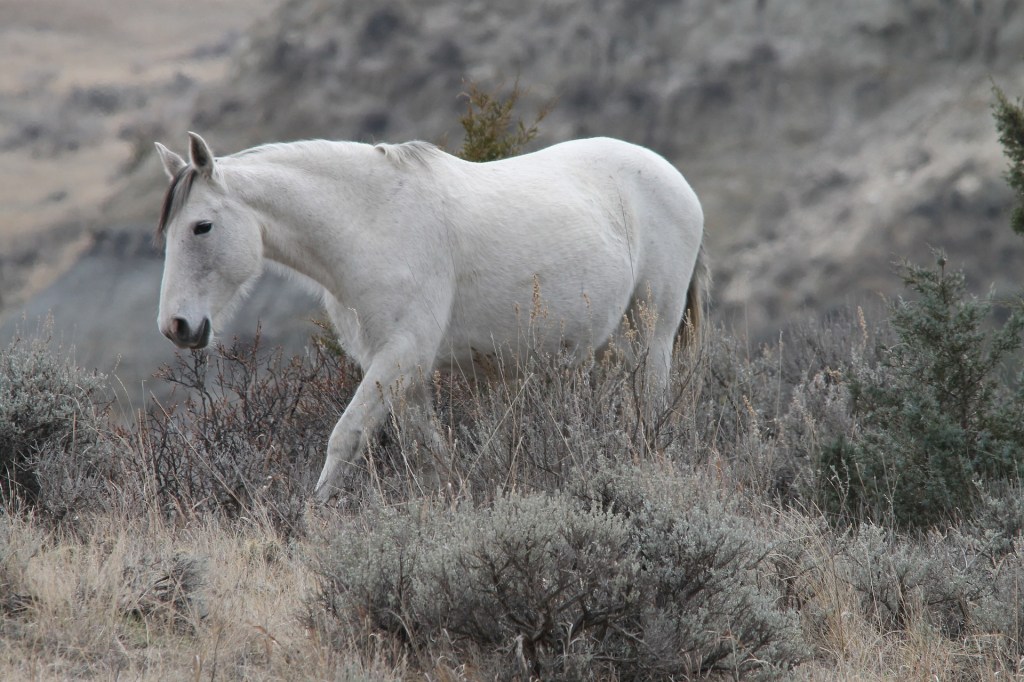
If you’re an outdoor enthusiast like me, you understand that there’s nothing quite like embarking on a backpacking adventure to explore the beauty and serenity of the natural world. One of the most thrilling parts of these excursions is the opportunity to have an encounter with animals in their natural habitat. As someone who has had many memorable close animal encounters throughout my travels, I can attest that these experiences can be both awe-inspiring and educational. However, it’s important to navigate these situations with care and respect for the wildlife we encounter.
In this article, I’ll share my knowledge and experiences to guide you through the fascinating world of up close animal experiences. We’ll discuss the importance of understanding animal behavior, tips for safe encounters, recognizing and avoiding dangerous situations, and how to respond when you encounter animals on your backpacking adventures. Additionally, we’ll cover wildlife photography tips for close encounters, ethical considerations, wildlife conservation, and responsible backpacking practices. Let’s dive into the exciting world of wildlife encounters and learn how to embrace nature’s beauty while respecting its inhabitants.
Introduction to Encountering Wildlife on Backpacking Adventures
Backpacking adventures provide an incredible opportunity to explore the natural world and discover its wonders. One of the most thrilling aspects of these journeys is the chance to have an encounter with animals in their natural environment. While these experiences can be exhilarating and educational, it’s crucial to approach them with caution and respect for the wildlife we encounter.
When we venture into the wilderness, we become guests in the homes of countless creatures. As responsible visitors, our goal should be to minimize our impact on the environment and its inhabitants. By understanding the behavior of the animals we may encounter, we can better appreciate their beauty and ensure our safety, as well as theirs. In doing so, we create lasting memories and foster a deeper connection with the natural world.
As a backpacker, I’ve been fortunate enough to have many close animal encounters with various species, from deer and elk to bears and wolves. Each encounter has left me with a profound sense of awe and respect for these creatures and their way of life. In the following sections, I’ll share my experiences and knowledge to help you safely navigate your own encounters with wildlife on your backpacking adventures.
Importance of Understanding Animal Behavior
Having an encounter with animals in the wild can be an unforgettable experience, but it’s essential to understand their behavior to ensure both your safety and theirs. Familiarizing yourself with the habits and characteristics of the wildlife in the area you’ll be backpacking can help you avoid potentially dangerous situations and better appreciate your surroundings.
For example, knowing how to identify signs of stress or agitation in animals can help you recognize when it’s time to give them space. Similarly, understanding the mating and nesting habits of local wildlife can help you avoid accidentally disturbing them during these sensitive periods. This knowledge can ultimately help you have a more enjoyable and safer backpacking experience.
Additionally, understanding animal behavior can also help you better prepare for your trip. For example, if you know that bears are common in your destination, you can plan to carry bear spray and store your food properly to minimize the risk of a close encounter. This preparation not only ensures your safety but also shows respect for the wildlife you may encounter.
Tips for Safe Close Animal Encounters
When it comes to having a close encounter with animals, safety should be your top priority. Here are some tips to help you navigate these situations safely and responsibly:
- Maintain a safe distance: Always give animals plenty of space to avoid stressing them or causing them to behave defensively. The recommended distance will vary depending on the species, but a general rule of thumb is to stay at least 100 yards away from large animals like bears and 25 yards away from smaller animals like deer or elk.
- Stay quiet and calm: If you find yourself in a close encounter with an animal, remain calm and try not to make any sudden movements or loud noises that could startle them.
- Observe their behavior: Pay close attention to the animal’s behavior and look for signs of stress or agitation, such as pacing, yawning, or raised hair. If you notice any of these signs, it’s time to slowly back away and give the animal more space.
- Never approach or feed wildlife: Feeding wild animals can make them dependent on humans for food, which can be dangerous for both the animals and people. Additionally, approaching wildlife can be extremely stressful for the animals and may provoke them to act defensively.
By following these guidelines, you can ensure that your close animal encounters are safe and enjoyable experiences for both you and the wildlife you encounter.
Recognizing and Avoiding Dangerous Wildlife Situations
While most encounters with wildlife are relatively benign, there are situations in which animals can pose a threat to your safety. Recognizing and avoiding these potentially dangerous situations is crucial to ensuring a safe and enjoyable backpacking adventure.
One of the most important things you can do to avoid dangerous wildlife situations is to be aware of your surroundings. Keep an eye out for signs of wildlife activity, such as tracks, droppings, or freshly damaged vegetation. If you notice any of these signs, proceed with caution and be prepared to encounter the animals responsible.
Additionally, it’s crucial to familiarize yourself with the behavior and habits of the wildlife in the area you’ll be backpacking. Knowing the warning signs of a potentially dangerous encounter can help you avoid putting yourself in harm’s way. For example, if you encounter a bear and it begins to make huffing noises or swat the ground, it’s signaling that it feels threatened and you should back away slowly.
Finally, trusting your instincts is key. If you feel uneasy or sense that something is amiss, it’s always better to err on the side of caution and remove yourself from the situation.
Preparing for Up Close Animal Experiences
Before embarking on your backpacking adventure, it’s essential to prepare for the possibility of up close animal experiences. This preparation includes researching the wildlife in the area, packing appropriate gear, and learning how to respond to different encounters with animals.
First, familiarize yourself with the wildlife you may encounter on your trip. This knowledge will help you recognize their behaviors and understand how to interact with them safely. For example, if you know that moose are common in the area, you can learn how to identify signs of aggression and avoid accidentally provoking one.
Next, pack the necessary gear to help you manage encounters with animals safely. This may include items such as bear spray, a bear canister for storing your food, or a whistle to scare off potential threats. Being prepared with the proper gear can provide peace of mind and help you feel more confident in navigating these encounters.
Lastly, educate yourself on how to respond to different encounters with animals. While each situation is unique, having a general understanding of how to react can help you stay calm and make informed decisions in the heat of the moment.
How to Respond to an Encounter with Animals
When you encounter animals in the wild, your response will depend on the species and the specific situation. Here are some general guidelines for responding to encounters with different types of wildlife:
- Deer, elk, and other ungulates: If you encounter these animals, maintain a safe distance and avoid making sudden movements or loud noises that could startle them. If they appear agitated or stressed, slowly back away to give them more space.
- Bears: If you encounter a bear, speak calmly and firmly to let it know you’re a human and not a threat. Do not run, as this can trigger a chase response. Instead, back away slowly while maintaining eye contact. If a bear approaches you, try to make yourself appear larger by raising your arms and standing on your tiptoes. If the bear continues to approach, use bear spray if you have it.
- Mountain lions: If you encounter a mountain lion, maintain eye contact and do not turn your back on the animal. Make yourself appear larger by raising your arms and standing tall. Speak loudly and firmly, and if the lion approaches, throw rocks or sticks to try to scare it away.
- Snakes: If you encounter a snake, give it plenty of space and do not attempt to handle or disturb it. Most snake bites occur when people accidentally step on or try to handle the animal.
By understanding how to respond to different encounters with animals, you can ensure your safety and create a more enjoyable backpacking experience.
Wildlife Photography Tips During Close Encounters
Capturing stunning photographs of wildlife during close encounters can be an incredibly rewarding experience. Here are some tips to help you get the perfect shot while ensuring the safety of both you and the animals:
- Use a telephoto lens: This will allow you to capture close-up shots of the animals without needing to physically get too close, which can be dangerous and disturb the wildlife.
- Be patient: Wildlife photography often requires waiting for the perfect moment to capture a uniqueshot. Take your time and observe the animal’s behavior, and wait for them to move into a good position for your shot.
- Avoid using flash: Flash photography can be stressful for animals and may cause them to behave defensively. Additionally, using flash can create unnatural lighting in your photos.
- Respect their space: When taking photos of wildlife, always maintain a safe distance and avoid disturbing their natural behavior. If the animal appears stressed or agitated, it’s time to move on and give them more space.
Remember, wildlife photography should never come at the expense of the animal’s well-being. By following these guidelines, you can capture stunning photos while respecting the wildlife you encounter.
Ethical Considerations for Close Encounters with Wildlife
As outdoor enthusiasts, it’s our responsibility to ensure that our interactions with wildlife are ethical and respectful. Here are some ethical considerations to keep in mind during close encounters with animals:
- Never approach or feed wildlife: Feeding wild animals can make them dependent on humans for food and can be dangerous for both the animals and people. Additionally, approaching wildlife can be extremely stressful for the animals and may provoke them to act defensively.
- Avoid disturbing their natural behavior: When encountering animals in the wild, it’s important to respect their natural behavior. Avoid making loud noises or sudden movements that could startle them or cause them to behave defensively.
- Respect their space: Giving animals plenty of space is crucial to their safety and well-being. Always maintain a safe distance and avoid getting too close to wildlife.
- Do not alter their environment: Avoid disturbing the natural environment of the animals you encounter. For example, avoid moving rocks or other objects that may be part of their habitat.
By following these ethical considerations, we can ensure that our interactions with wildlife are respectful and responsible.
Wildlife Conservation and Responsible Backpacking
As outdoor enthusiasts, it’s our responsibility to protect the natural world and its inhabitants. Here are some ways we can practice responsible backpacking and support wildlife conservation:
- Leave no trace: When backpacking, always leave the environment as you found it. This includes properly disposing of waste and avoiding damaging vegetation or wildlife habitats.
- Support local conservation efforts: Research local conservation organizations and consider donating to support their efforts. Additionally, consider volunteering for conservation projects or participating in citizen science initiatives to help monitor and protect local wildlife.
- Reduce your impact: When backpacking, consider reducing your impact on the environment by using eco-friendly products and minimizing your energy usage.
- Educate others: Share your knowledge and experiences with others to promote responsible backpacking practices and wildlife conservation.
By practicing responsible backpacking and supporting wildlife conservation efforts, we can help protect the natural world and its inhabitants for future generations to enjoy.
Conclusion: Embracing Nature’s Beauty and Respecting its Inhabitants
As outdoor enthusiasts, encountering wildlife on our backpacking adventures can be one of the most memorable and rewarding experiences we can have. By understanding animal behavior, practicing safety, and respecting ethical considerations, we can navigate these situations with care and respect for the wildlife we encounter.
Remember, nature and its inhabitants are not here for our entertainment or convenience. It’s our responsibility to minimize our impact on the environment and its inhabitants and to foster a deeper connection with the natural world. By embracing nature’s beauty and respecting its inhabitants, we can create lasting memories and ensure that these experiences are available for generations to come.

 Tired Camper