
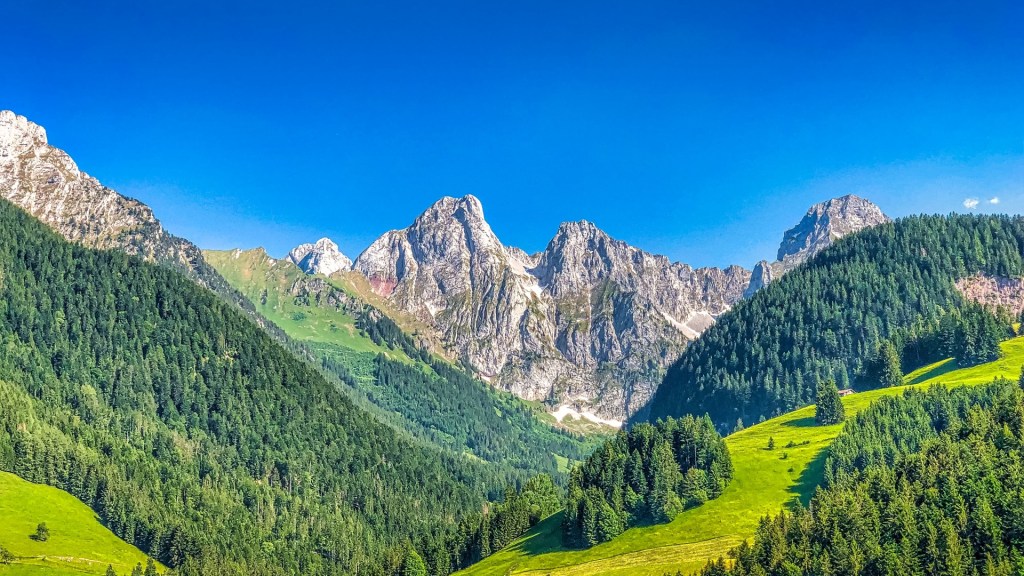
As an independent traveler, I’ve always been drawn to the freedom and exhilaration of solo backpacking trips. There’s nothing quite like the feeling of setting out on a journey with only your backpack for company, immersing yourself in the beauty of nature, and relying on your skills and resourcefulness to navigate through the wilderness. However, solo backpacking can also present unique challenges and risks. In this article, I’ll share some essential safety tips and advice to help you plan and execute your solo backpacking adventure with confidence and peace of mind.
Introduction to Solo Backpacking Adventures
Solo backpacking is an incredible way to experience the great outdoors, offering the opportunity to reconnect with nature, test your limits, and discover a newfound sense of independence. However, venturing into the wilderness alone also requires a heightened level of awareness, preparedness, and self-reliance. This means that it’s crucial to invest time in proper planning, research, and skill-building before embarking on your solo adventure.
In the following sections, I’ll cover the key aspects of solo backpacking safety, from planning and gear selection to navigation, food and water safety, wildlife encounters, and emergency preparedness. By the end of this article, you’ll have a solid foundation of knowledge to help you tackle your next solo backpacking trip with confidence.
The Importance of Proper Planning for Solo Backpacking Trips
Setting Realistic Goals and Choosing the Right Destination
One of the most important aspects of planning a solo backpacking trip is setting realistic goals and choosing a destination that aligns with your experience level, fitness, and interests. Consider factors such as terrain, elevation, climate, trail difficulty, and distance when selecting your destination. It’s also a good idea to start with shorter trips and gradually build up to longer, more challenging adventures as you gain experience and confidence.
Researching and Familiarizing Yourself with the Area
Once you’ve chosen your destination, take the time to thoroughly research and familiarize yourself with the area. Study maps, guidebooks, and online resources to gain a solid understanding of the trail system, water sources, camping options, and potential hazards. Additionally, learn about local regulations, permits, and guidelines for responsible backcountry use. This information will not only help ensure your safety but also contribute to the protection and preservation of the natural environment.
Creating a Detailed Itinerary and Leaving a Copy with Someone
A detailed itinerary is an essential tool for solo backpackers, as it helps you stay organized and focused on your goals while in the backcountry. Include information such as your intended route, daily mileage, planned campsites, potential bailout options, and estimated times of departure and arrival. It’s crucial to leave a copy of your itinerary with a trusted friend or family member who can alert authorities if you fail to return or check in as expected. This simple act can make all the difference in the event of an emergency or unexpected situation.
Essential Gear for Solo Backpacking and Backcountry Camping
The Ten Essentials
The Ten Essentials is a widely recognized list of items that every backpacker should carry, regardless of trip length or location. These items are crucial for ensuring your safety, comfort, and ability to respond to unexpected situations. The Ten Essentials include:
- Navigation (map, compass, GPS)
- Sun protection (sunglasses, sunscreen, hat)
- Insulation (extra clothing layers)
- Illumination (headlamp or flashlight)
- First-aid supplies
- Fire (matches, lighter, firestarter)
- Repair kit and tools (knife, duct tape, etc.)
- Nutrition (extra food)
- Hydration (extra water or water treatment method)
- Emergency shelter (tent, bivy sack, or tarp)
Lightweight and Reliable Gear
When backpacking alone, it’s important to strike a balance between packing light and ensuring that you have everything you need to stay safe and comfortable. Invest in high-quality, lightweight gear that is reliable and durable, and research the best options for your specific needs and preferences. Keep in mind that every item you carry adds weight to your pack, so be thoughtful and selective when choosing your gear.
Adaptable Clothing and Layering Systems
A well-planned clothing system is essential for solo backpackers, as it allows you to adapt to changing weather conditions and regulate your body temperature. Opt for moisture-wicking, quick-drying, and breathable fabrics, and avoid cotton, which can stay wet and cause hypothermia. Layering is key, as it enables you to add or remove layers throughout the day to maintain a comfortable temperature. Make sure to pack extra insulating layers for cold nights and a lightweight, waterproof rain jacket and pants for wet weather.
Backpacking Safety Tips for Solo Hikers
Staying on Established Trails and Practicing Leave No Trace Principles
Staying on established trails is not only important for your safety but also for the preservation of the natural environment. Venturing off-trail can lead to erosion, damage to vegetation, and increased risk of injury or becoming lost. Additionally, practice Leave No Trace principles by disposing of waste properly, minimizing campfire impact, respecting wildlife, and being considerate of other visitors.
Knowing Your Limits and Listening to Your Body
Solo backpacking requires a heightened level of self-awareness and the ability to recognize and respect your personal limits. Be honest with yourself about your fitness level, experience, and comfort zone, and don’t be afraid to change your plans or turn back if conditions or circumstances warrant it. Listen to your body for signs of fatigue, dehydration, or altitude sickness, and take appropriate action to address any issues.
Avoiding Risky Situations and Making Informed Decisions
Solo backpackers must be particularly vigilant in avoiding risky situations and making sound decisions based on current conditions and available information. This includes assessing the stability of terrain, evaluating river crossings, and being prepared to change your route or plans in response to unexpected challenges or hazards. Trust your instincts and err on the side of caution, as your safety and well-being are ultimately your responsibility.
Navigating and Route Finding in the Wilderness
Map and Compass Skills
Although GPS devices and smartphone apps are incredibly useful tools for navigation, it’s important not to rely solely on technology in the wilderness. Make sure to carry a physical map and compass and be proficient in using them to navigate and orient yourself in the backcountry. Regularly practice your map and compass skills to keep them sharp, and always double-check your location and route to avoid becoming disoriented.
Using GPS Devices and Smartphone Apps Responsibly
GPS devices and smartphone apps can be valuable tools for route finding, tracking your progress, and accessing additional information about your surroundings. However, it’s crucial to use these tools responsibly and not allow them to replace your basic navigation skills. Always carry backup batteries or a portable charger and be prepared to navigate without technology if necessary.
Anticipating and Preparing for Route Challenges
When planning your solo backpacking trip, make sure to research and anticipate any potential route challenges or obstacles, such as difficult terrain, trail closures, or river crossings. Develop a plan for dealing with these challenges and be prepared to make informed decisions about whether to proceed or seek an alternative route. This proactive approach can help you avoid dangerous situations and ensure a safer, more enjoyable experience.
Food and Water Safety for Solo Backpacking
Proper Food Storage and Handling
Proper food storage and handling are essential for maintaining your health and safety while backpacking. Store all food, scented items, and trash in a bear-resistant container or hang it using the counterbalance method to protect both you and wildlife from unwanted encounters. Additionally, maintain proper hygiene by washing your hands and using biodegradable soap to clean dishes and utensils.
Water Treatment and Hydration
Staying well-hydrated is crucial for maintaining your energy and overall well-being during a backpacking trip. Always carry enough water to last between reliable sources and be prepared to treat water from streams, lakes, or other natural sources using a filter, purifier, or chemical treatment method. Make a habit of regularly sipping water throughout the day and pay attention to your body’s signals for thirst, as dehydration can lead to fatigue, dizziness, and other more severe symptoms.
Planning and Packing Nutritious Meals
When planning your backpacking menu, prioritize high-energy, nutrient-dense foods that will fuel your body and sustain you throughout your journey. Opt for a mix of carbohydrates, proteins, and healthy fats, and consider dehydrated or freeze-dried meals for their lightweight and convenient nature. Make sure to pack enough food to last the duration of your trip, plus a few extra snacks or meals in case of delays or emergencies.
Dealing with Wildlife Encounters on Solo Hiking Trips
Understanding and Respecting Local Wildlife
Before venturing into the wilderness, take the time to learn about the local wildlife and their behaviors, habits, and habitats. This knowledge can help you avoid inadvertently disturbing or endangering animals, as well as reduce your risk of negative encounters. Always maintain a safe distance from wildlife and never attempt to feed, approach, or interact with animals in any way.
Carrying and Knowing How to Use Bear Spray
In areas with bears or other large predators, it’s a good idea to carry bear spray and know how to use it properly. Familiarize yourself with the proper technique for deploying bear spray and practice using an inert canister to build confidence and muscle memory. Remember that bear spray is a last-resort defense tool and should not replace proper food storage, noise-making, and other preventive measures.
Responding Appropriately to Wildlife Encounters
In the event of a wildlife encounter, it’s important to remain calm and respond appropriately based on the animal’s behavior and species-specific recommendations. For example, if you encounter a bear, speak calmly and firmly, avoid direct eye contact, and slowly back away without turning your back on the animal. If the bear approaches you, try to make yourself appear larger and make loud noises to scare it away. Each species may require different responses, so it’s important to be familiar with the wildlife in your chosen destination.
First Aid and Emergency Preparedness for Solo Campers
Carrying a Well-Stocked First Aid Kit
A well-stocked first aid kit is an essential item for any backpacker, but it’s especially important for solo travelers who must be prepared to handle medical emergencies on their own. Ensure your kit includes items such as adhesive bandages, gauze, antiseptic wipes, tweezers, pain relievers, and any personal medications you may require. Familiarize yourself with the contents of your kit and know how to use each item effectively.
Basic Wilderness First Aid Skills
In addition to carrying a first aid kit, it’s crucial for solo backpackers to have a basic understanding of wilderness first aid principles and techniques. Consider taking a wilderness first aid course to learn how to assess and treat common injuries and illnesses encountered in the backcountry, such as cuts, burns, sprains, and hypothermia.
Establishing an Emergency Communication Plan
Having a plan for emergency communication is critical for solo backpackers, as it can make all the difference in getting the help you need in a timely manner. Carry a fully charged cell phone, satellite communicator, or personal locator beacon (PLB) and know how to use it in case of emergency. Make sure to leave a copy of your itinerary with a trusted contact and establish a check-in schedule to keep them informed of your progress and well-being.
Staying Connected and Informed During Your Solo Adventure
Utilizing Technology for Communication and Information
Modern technology offers a range of tools and resources to help solo backpackers stay connected and informed during their adventures. Smartphone apps, satellite communicators, and GPS devices can all provide valuable information, assistance, and peace of mind while in the backcountry. However, it’s important to use these tools responsibly and maintain a self-reliant mindset, as technology can sometimes fail or be unavailable.
Staying Informed About Weather, Trail Conditions, and Other Updates
Before and during your solo backpacking trip, make an effort to stay informed about current weather conditions, trail updates, and other relevant information. This can help you make informed decisions about your route, timing, and gear, and ensure that you’re prepared for any potential challenges or changes in conditions. Utilize resources such as ranger stations, visitor centers, and online forums to gather the most up-to-date and accurate information.
Building a Support Network of Fellow Backpackers
One of the best ways to stay connected and informed as a solo backpacker is to build a support network of fellow outdoor enthusiasts. This can not only provide valuable resources, advice, and camaraderie but also offer a safety net in case of emergencies or unexpected situations. Join online forums, social media groups, and local hiking clubs to connect with like-minded individuals and share your experiences, knowledge, and passion for the outdoors.
Building Your Solo Backpacking Community and Resources
Connecting with Other Solo Backpackers
Building connections with other solo backpackers can provide valuable support, inspiration, and camaraderie on your adventures. Seek out online forums, social media groups, and in-person events where you can meet and engage with fellow solo travelers. Sharing experiences, advice, and stories can help you gain new perspectives, learn from others’ experiences, and develop lasting friendships within the backpacking community.
Learning from Experienced Backpackers and Outdoor Professionals
As a solo backpacker, it’s important to remain open to learning and growing in your skills and knowledge. Seek out opportunities to learn from experienced backpackers and outdoor professionals, such as attending workshops, joining guided trips, or participating in outdoor education programs. This ongoing education can help you become a more confident, competent, and well-prepared solo traveler.
Sharing Your Knowledge and Experiences with Others
As you gain experience and expertise in solo backpacking, consider sharing your knowledge and experiences with others who may be just starting out or looking to expand their own skills. Offer advice and support, share your stories and lessons learned, and contribute to the backpacking community in a meaningful way. This not only benefits others but also helps tosolidify and reinforce your own understanding and confidence in your abilities as a solo backpacker.
Conclusion
Solo backpacking can be a truly transformative and rewarding experience, offering the opportunity to connect with nature, challenge yourself, and discover your own strength and resilience. However, it’s crucial to prioritize safety, preparedness, and self-reliance when venturing into the wilderness alone. By following the essential safety tips and advice outlined in this article, you can plan and execute your solo backpacking adventure with confidence, peace of mind, and a deep appreciation for the beauty and power of nature.
Are you ready to embark on your own solo backpacking adventure? Remember to prioritize your safety, preparedness, and self-reliance by following the essential tips and advice outlined in this article. And don’t forget to build your own community and resources within the backpacking community to continue learning and growing as a solo traveler. Happy trails!

 Tired Camper