
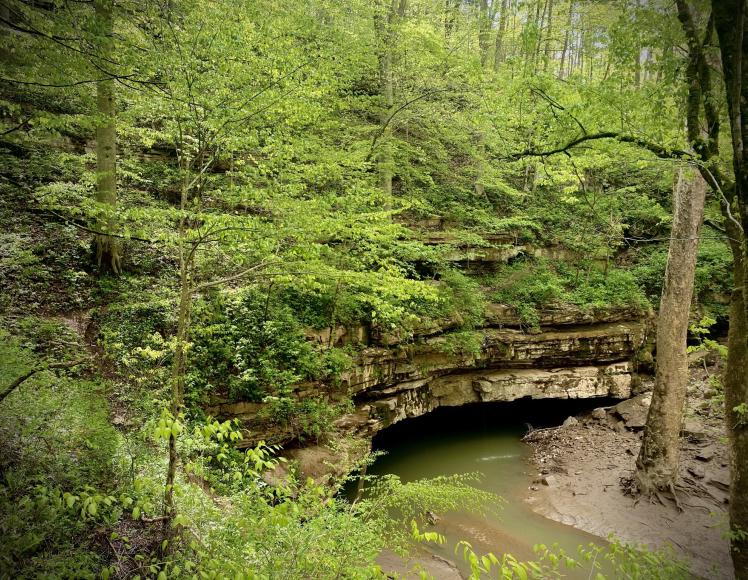
The United States is home to some of the most breathtaking and diverse landscapes in the world, and the National Parks in the Southeast are no exception. From the lush forests of the Great Smoky Mountains to the crystal-clear waters of the Everglades, these parks offer a wide range of experiences and natural wonders for visitors to explore. In this guide, we will take an in-depth look at the top National Parks in the Southeast, the best times to visit, essential gear, family-friendly activities, unique wildlife, and responsible travel tips.
The Southeast region of the United States is made up of several states, including Alabama, Arkansas, Florida, Georgia, Kentucky, Louisiana, Mississippi, North Carolina, South Carolina, Tennessee, and Virginia. Each state offers its own unique landscape, climate, and ecosystem, making the region a treasure trove for nature enthusiasts and outdoor adventurers. The National Parks in the Southeast not only provide a chance to connect with nature but also serve as an opportunity to learn about the region’s rich history and cultural heritage.
As you embark on your journey to explore the National Parks in the Southeast, it’s essential to remember that these protected areas are more than just beautiful landscapes. They serve as vital habitats for countless plant and animal species and play a crucial role in preserving America’s natural heritage. This guide aims to help you plan your adventure while promoting responsible and sustainable travel practices to ensure these parks can be enjoyed by generations to come.
Why Visit National Parks in the Southeast?
There are several reasons why visiting the National Parks in the Southeast should be on every traveler’s bucket list. First and foremost, the region boasts a diverse range of landscapes, from the sun-soaked beaches of Florida to the ancient Appalachian Mountains. This variety ensures that there is truly something for everyone, whether you’re an avid hiker, a birdwatcher, or simply looking to relax and unwind in a serene setting.
Another reason to visit the Southeast National Parks is the unique historical and cultural experiences they offer. Many of these parks are steeped in history, with sites dating back to Native American settlements, early European explorations, and the Civil War era. Exploring these parks provides a fascinating glimpse into the region’s past and helps to deepen our understanding of America’s rich heritage.
Finally, the Southeast National Parks are renowned for their incredible biodiversity. The region is home to a vast array of plant and animal species, many of which are found nowhere else on earth. A trip to these parks offers the chance to encounter rare and threatened species up close, making for an unforgettable experience that will leave you with a newfound appreciation for the natural world.
Top National Parks in the Southeast to Explore

- Great Smoky Mountains National Park (Tennessee and North Carolina): As the most visited national park in the United States, the Great Smoky Mountains is a must-see destination. The park is renowned for its diverse plant and animal life, with over 1,500 species of wildflowers and a large population of black bears. Popular activities include hiking, horseback riding, and scenic drives along the picturesque Blue Ridge Parkway.
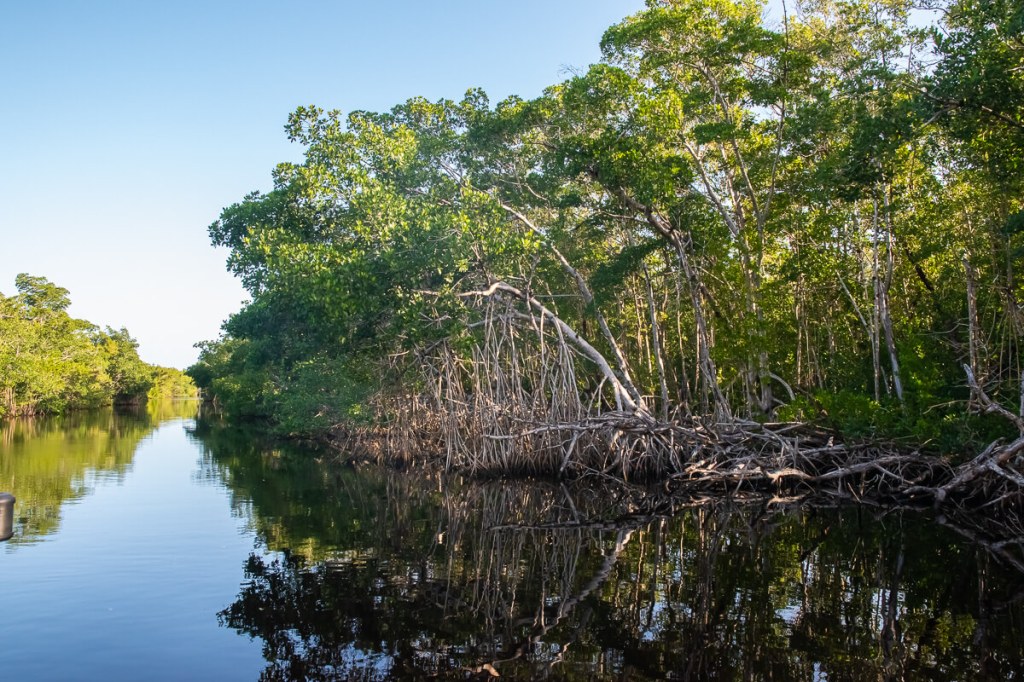
- Everglades National Park (Florida): This vast subtropical wilderness is the largest protected area east of the Mississippi River and is home to endangered species like the Florida panther and the American crocodile. Explore the park’s unique ecosystems, including the famous River of Grass, by taking an airboat tour or embarking on a guided canoe trip.
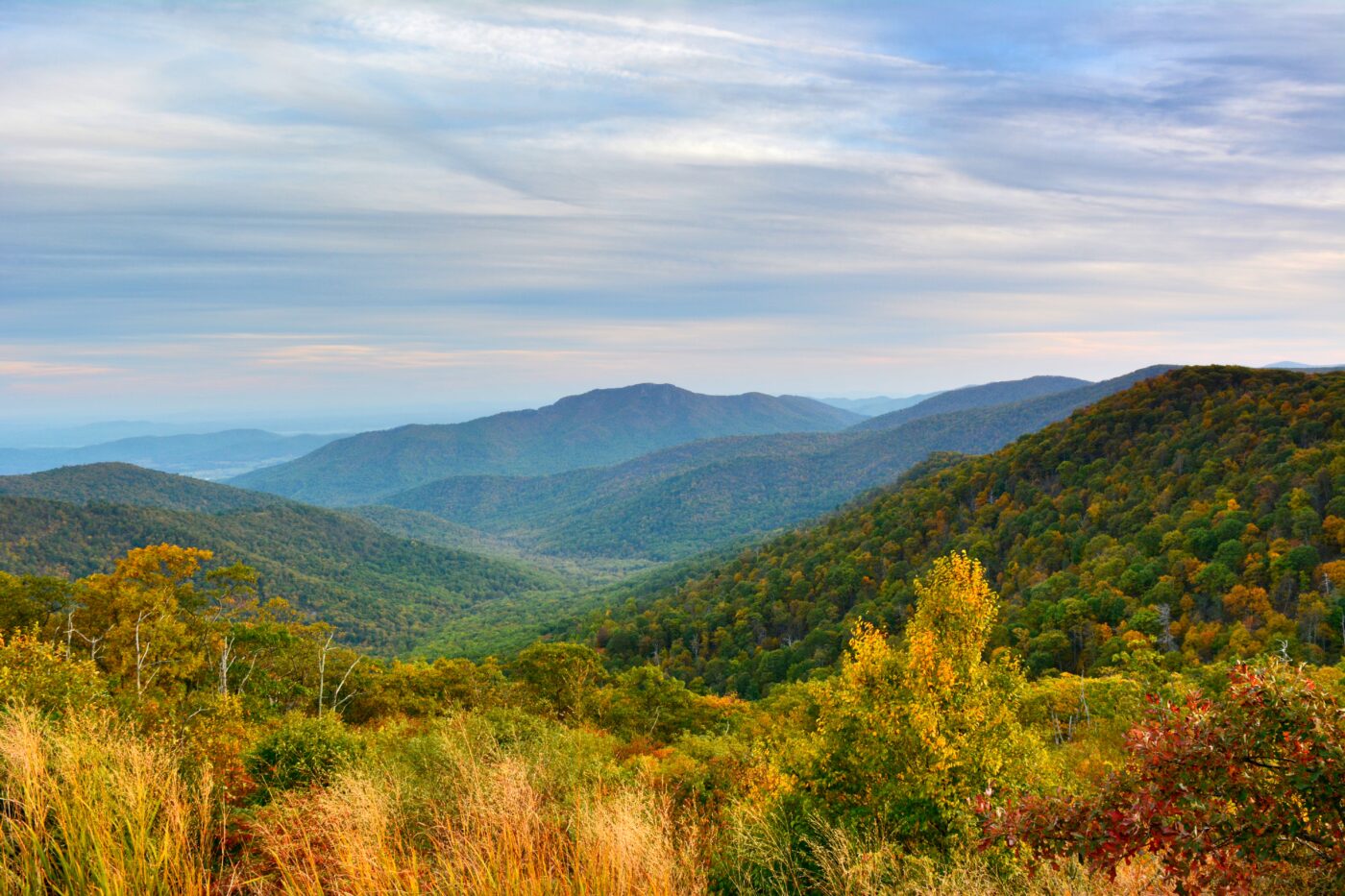
- Shenandoah National Park (Virginia): Located in the Blue Ridge Mountains, Shenandoah National Park offers over 500 miles of hiking trails, including a portion of the renowned Appalachian Trail. Enjoy sweeping views of the Shenandoah Valley, spot wildlife like white-tailed deer and black bears, and take in the colorful foliage during the fall months.
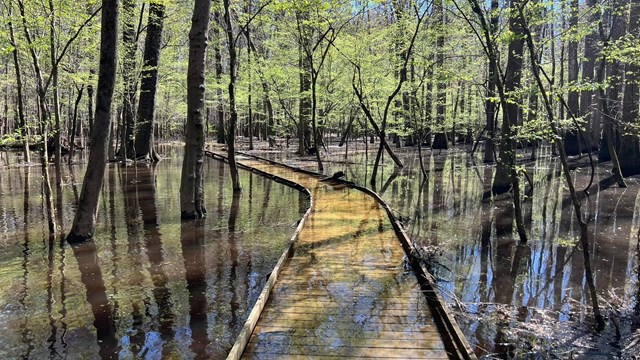
- Congaree National Park (South Carolina): Boasting the largest intact expanse of old-growth bottomland hardwood forest in the United States, Congaree National Park is a hidden gem in the Southeast. The park is home to champion trees, some of the tallest in the eastern United States, and offers canoeing, hiking, and birdwatching opportunities.

- Mammoth Cave National Park (Kentucky): Explore the world’s longest known cave system at Mammoth Cave National Park. The park offers various guided tours showcasing the cave’s impressive formations and unique underground ecosystem. Above ground, enjoy hiking, horseback riding, and camping in the park’s beautiful forests.
Best Times to Visit Southeast National Parks
The Southeast region experiences a wide range of climates, from the humid subtropics of Florida to the temperate forests of the Appalachian Mountains. As such, the best time to visit National Parks in the Southeast will largely depend on your preferred activities and the specific park you plan to visit.
In general, spring and fall are considered the best times to visit the Southeast National Parks, as the temperatures are mild and the crowds are thinner. The spring months bring blooming wildflowers and lush greenery, while the fall foliage in parks like the Great Smoky Mountains and Shenandoah National Park is simply stunning.
Summer can be a popular time to visit the coastal parks, such as Everglades National Park and the various national seashores in the region. However, the summer months also bring high temperatures, humidity, and an increased risk of thunderstorms and hurricanes. If you choose to visit during the summer, be prepared for the heat and stay informed about weather conditions.
Winter in the Southeast can be unpredictable, with some parks experiencing cold temperatures and even snowfall. While this may deter some visitors, the winter months can be a great time to visit parks like Great Smoky Mountains National Park, as the crowds are minimal and the snow-covered landscape is truly breathtaking.
Tips for Planning Your Trip to Southeast National Parks
- Research the specific parks you plan to visit: Each park in the Southeast has its own unique features, climates, and regulations. Research the parks you plan to visit to ensure you are prepared for the specific conditions and know what to expect during your visit.
- Make reservations early: Popular parks like the Great Smoky Mountains and Everglades National Park can fill up quickly, especially during peak travel seasons. Make reservations for accommodations, guided tours, and other activities well in advance to ensure you can secure your preferred dates and options.
- Pack appropriately for the climate and activities: The Southeast region is known for its varied climate and weather conditions. Be sure to pack clothing and gear suitable for the specific parks you plan to visit and the activities you plan to enjoy, such as hiking boots, rain gear, and sun protection.
- Take advantage of visitor centers and ranger-led programs: National Park visitor centers offer valuable information about the park’s history, wildlife, and recreational opportunities. Additionally, many parks offer ranger-led programs, such as guided hikes and educational talks, which can enhance your understanding and enjoyment of the park.
- Stay informed about park conditions and closures: Weather, wildlife, and other factors can occasionally lead to temporary closures and restrictions within the parks. Check the National Park Service website for the most up-to-date information on park conditions and any potential closures or restrictions during your visit.
Essential Gear for Southeast National Park Adventures
When exploring the National Parks in the Southeast, it’s essential to be well-prepared with the right gear for your adventure. Here are some key items to include in your packing list:
- Clothing suited to the climate: As mentioned earlier, the Southeast experiences a wide range of climates, from hot and humid to cool and temperate. Be sure to pack clothing appropriate for the specific parks you plan to visit and the expected weather conditions during your trip.
- Hiking boots or sturdy shoes: Many of the Southeast National Parks offer excellent hiking opportunities, so investing in a good pair of hiking boots or sturdy shoes is essential. Look for footwear with solid traction, ankle support, and waterproofing to keep your feet comfortable and protected on the trails.
- Rain gear: The Southeast region can experience heavy rainfall, especially during the summer months. Packing a lightweight, waterproof jacket and a rain cover for your backpack will help keep you and your gear dry during unexpected showers.
- Sun protection: Sunscreen, sunglasses, and a wide-brimmed hat are essential items for protecting your skin and eyes from the sun’s harmful rays, particularly in the hotter southern parks like the Everglades.
- Insect repellent: Mosquitoes and other biting insects can be prevalent in many of the Southeast National Parks, particularly in wetland areas. Be sure to pack insect repellent to protect yourself from these pests and the diseases they can carry.
- Navigation tools: A map or guidebook, along with a compass or GPS device, can be invaluable when navigating the trails and backcountry areas of the parks. Even if you plan to stick to well-marked trails, having these tools on hand can provide peace of mind and help ensure a safe, enjoyable adventure.
- Camera: With the stunning landscapes and unique wildlife found in the Southeast National Parks, you’ll want to have a camera on hand to capture the memories. Whether you opt for a professional DSLR or a simple smartphone camera, be sure to pack extra batteries or a portable charger to keep your device powered throughout your trip.
Family-Friendly Activities in Southeast National Parks
The National Parks in the Southeast offer a wide range of family-friendly activities, ensuring that visitors of all ages can enjoy and appreciate these incredible landscapes. Here are some suggestions for activities that are perfect for families:
- Junior Ranger Programs: Many of the Southeast National Parks offer Junior Ranger programs, which provide children with educational activities and opportunities to earn badges and certificates. These programs can help engage young visitors with the parks and foster a lifelong love of nature and conservation.
- Guided Tours: Guided tours, such as ranger-led hikes, boat tours, and cave tours, can be a great way to explore the parks with your family. These tours typically provide fascinating information about the park’s history and wildlife, making them both fun and educational for visitors of all ages.
- Scenic Drives: If you have younger children or family members with limited mobility, scenic drives can be an excellent way to experience the beauty of the parks without the physical demands of hiking. Parks like the Great Smoky Mountains and Shenandoah National Park offer stunning scenic drives with plenty of opportunities to stop and enjoy the views.
- Picnicking: Many of the Southeast National Parks feature designated picnic areas, providing the perfect opportunity for a family meal surrounded by nature. Pack a lunch, grab a blanket, and enjoy some quality time together in these picturesque settings.
- Wildlife Watching: Southeast National Parks are home to an array of unique wildlife, and observing these creatures in their natural habitats can be a thrilling experience for children and adults alike. Be sure to bring binoculars and a wildlife guidebook to help identify the species you encounter.
Unique Wildlife and Natural Features of Southeast National Parks
The National Parks in the Southeast are known for their incredible biodiversity, with each park boasting its own unique array of plant and animal species. Here are some of the standout wildlife and natural features that can be found in the region’s parks:
- Great Smoky Mountains National Park: The park is home to the largest population of black bears in the eastern United States, as well as over 200 species of birds and 1,500 species of flowering plants. The park is also known for its stunning waterfalls, including the iconic Rainbow Falls and Grotto Falls.
- Everglades National Park: The Everglades is home to a diverse range of wildlife, including the endangered Florida panther, the American crocodile, and the West Indian manatee. The park’s unique ecosystem, which includes sawgrass marshes, mangrove forests, and cypress swamps, is also home to over 350 species of birds.
- Shenandoah National Park: The park is home to several unique natural features, including the famous Skyline Drive, which offers sweeping views of the Blue Ridge Mountains. The park is also home to the highest waterfall in Virginia, the stunning Overall Run Falls.
- Congaree National Park: The park’s old-growth forests are home to several champion trees, including the tallest loblolly pine in the world. The park is also home to a diverse range of wildlife, including river otters, bobcats, and a large population of fireflies.
- Mammoth Cave National Park: In addition to its impressive cave system, the park is home to several unique natural features, including the Green River, which offers excellent opportunities for kayaking and fishing. The park is also home to several species of bats, including the endangered Indiana bat.
Responsible and Sustainable Travel in Southeast National Parks
As visitors to the National Parks in the Southeast, it’s our responsibility to ensure that these protected areas are preserved for future generations. Here are some tips for practicing responsible and sustainable travel in the Southeast National Parks:
- Follow Leave No Trace principles: When visiting the parks, be sure to pack out all trash, avoid damaging vegetation or wildlife, and leave the natural environment as you found it.
- Stay on designated trails: Trails are designed to protect fragile ecosystems and prevent erosion. By staying on designated trails, you can help preserve these natural areas and prevent damage to sensitive habitats.
- Respect wildlife: Observe wildlife from a distance, and never approach or feed wild animals. Respect their space and habitat to ensure their safety and well-being.
- Reduce your carbon footprint: Consider carpooling or using public transportation to reduce your carbon footprint when traveling to and within the parks. Additionally, choose eco-friendly lodging and activities when possible.
- Support conservation efforts: Consider making a donation to the National Park Foundation or volunteering your time to support conservation efforts in the parks.
Conclusion and Final Thoughts on Exploring National Parks in the Southeast
The National Parks in the Southeast offer a wealth of experiences and natural wonders for visitors to explore. From the stunning vistas of the Great Smoky Mountains to the unique ecosystems of the Everglades, these parks provide a chance to connect with nature, learn about the region’s rich history and culture, and encounter rare and threatened species up close.
As you plan your trip to the Southeast National Parks, be sure to research the specific parks you plan to visit, pack appropriately for the climate and activities, and practice responsible and sustainable travel practices to ensure these protected areas can be enjoyed by generations to come.
So, what are you waiting for? Start planning your adventure to the National Parks in the Southeast today and experience the beauty and wonder of America’s natural heritage.

 Tired Camper