
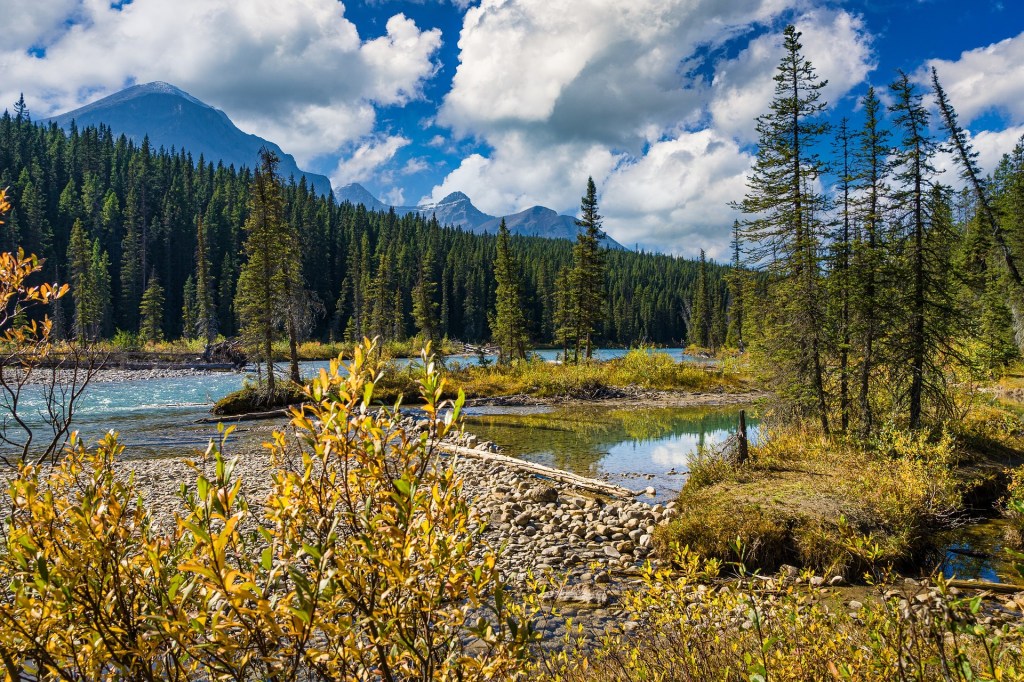
As an avid nature lover and adventurer, I have had the privilege of visiting many national parks across the United States. However, none have captured my heart and soul quite like Smoky Mountain National Park. Located in the heart of the Appalachian Mountains, this park boasts some of the most breathtaking scenery, diverse wildlife, and rich history of any park in the country. In this article, I will share with you everything you need to know to plan your visit to Smoky Mountain National Park, including its history and significance, wildlife, hiking trails, camping and lodging options, conservation efforts, tips for visiting, and hidden gems.
Introduction to Smokey Mountain National Park
Smoky Mountain National Park is a 522,427-acre park located in Tennessee and North Carolina. It was established in 1934 and is the most visited national park in the country outside of Alaska. The park is named after the blue mist that often hovers over the mountains, which is created by the abundance of trees and vegetation. The park is home to more than 100 species of native trees, 1,500 plant species, and over 200 species of birds. It is also home to black bears, elk, white-tailed deer, and many other types of wildlife.
History and Significance of Smoky Mountain National Park
Smoky Mountain National Park has a rich history that dates back to the prehistoric era. Evidence of human habitation in the area dates back more than 10,000 years. The Cherokee people were the first to live in the area, and they called the mountains “Shaconage,” which means “place of the blue smoke.” European settlers began moving into the area in the 1700s, and by the 1800s, the mountains were being logged extensively. In the early 1900s, conservationists began advocating for the protection of the area, and in 1926, Congress authorized the creation of the park.
The significance of Smoky Mountain National Park lies in its unique combination of natural beauty and cultural history. The park is home to many historic structures, including grist mills, churches, and farmhouses, that provide insight into the lives of early settlers in the area. The park also played a significant role in the development of the National Park Service, as it was one of the first parks to be established in the eastern United States.
Wildlife in Smoky Mountain National Park
One of the main draws of Smoky Mountain National Park is its diverse wildlife. The park is home to over 1,500 species of plants and animals, including black bears, elk, white-tailed deer, and wild turkeys. The park is also home to many species of birds, including the peregrine falcon, which was once endangered but has made a remarkable recovery thanks to conservation efforts in the park.
Visitors to the park can see wildlife in their natural habitat by going on a guided tour or taking a hike on one of the many trails. It is important to remember that the animals in the park are wild and should not be approached or fed.
Hiking Trails and Scenic Spots in Smoky Mountain National Park
Smoky Mountain National Park offers some of the best hiking trails in the country. With over 800 miles of trails, there is something for every level of experience. The park offers everything from short, easy hikes to challenging multi-day backpacking trips.
One of the most popular trails in the park is the Appalachian Trail, which runs through the park for 70 miles. The trail offers stunning views of the mountains and valleys and is a great way to experience the beauty of the park. Other popular trails include the Alum Cave Trail, which leads to the peak of Mount LeConte, and the Chimney Tops Trail, which offers panoramic views of the park.
In addition to hiking, there are many scenic spots in the park that are worth visiting. One of the most popular is Cades Cove, which offers stunning views of the mountains and is home to many historic structures. The park also offers many scenic drives, including the Newfound Gap Road, which offers panoramic views of the park and the surrounding area.
Best Times to Visit Smoky Mountain National Park
The best time to visit Smoky Mountain National Park depends on what you want to do and see. The park is open year-round, but the weather and seasonal changes can affect what activities are available.
In the spring, the park comes alive with wildflowers and new growth. This is a great time to see wildlife and enjoy the park’s many hiking trails. The summer months are the busiest, and the park can be crowded. However, this is also the best time to enjoy the park’s many waterfalls and swimming holes.
In the fall, the park is ablaze with color as the leaves change. This is a great time to take a scenic drive or hike and enjoy the beautiful scenery. The winter months are quieter, and the park is less crowded. This is a great time to enjoy winter sports, such as skiing and snowshoeing.
Camping and Lodging Options in Smoky Mountain National Park
Smoky Mountain National Park offers a variety of camping and lodging options for visitors. The park has 10 campgrounds that offer a range of amenities, from primitive camping to RV hookups. The campgrounds are open year-round, but some may be closed in the winter months.
For those who prefer more comfortable accommodations, the park offers several lodges and cabins. The most popular lodge is the LeConte Lodge, which is located at the top of Mount LeConte and can only be reached by hiking. The lodge offers stunning views of the park and is a great place to stay for those who want to experience the park’s natural beauty up close.
Conservation Efforts in Smoky Mountain National Park
Smoky Mountain National Park is committed to protecting its natural resources and preserving its cultural heritage. The park has implemented many conservation efforts over the years, including programs to protect wildlife and restore damaged ecosystems.
One of the most successful conservation efforts in the park has been the restoration of the peregrine falcon population. Thanks to conservation efforts, the peregrine falcon has made a remarkable recovery in the park and is no longer considered endangered.
Tips for Visiting Smoky Mountain National Park
When visiting Smoky Mountain National Park, there are a few tips to keep in mind. First, it is important to be prepared for the weather. The weather in the park can be unpredictable, and it is important to bring appropriate clothing and gear for the season.
Second, it is important to follow the park’s rules and regulations. This includes staying on designated trails, not feeding or approaching wildlife, and properly disposing of trash.
Finally, it is important to be respectful of the park and its natural resources. This includes leaving no trace, respecting other visitors, and supporting the park’s conservation efforts.
Hidden Gems and Lesser-Known Attractions in Smoky Mountain National Park
While there are many popular attractions in Smoky Mountain National Park, there are also many hidden gems and lesser-known attractions that are worth exploring. One such attraction is the Cataloochee Valley, which is home to a historic settlement and is a great place to see elk and other wildlife.
Another hidden gem is the Roaring Fork Motor Nature Trail, which offers stunning views of the park’s waterfalls and wildlife. The trail is only open in the summer and fall months but is well worth the visit.
Conclusion: Why Smoky Mountain National Park is a Must-Visit Destination
Smoky Mountain National Park is a must-visit destination for anyone who loves nature, history, and adventure. With its stunning scenery, diverse wildlife, and rich history, the park offers something for everyone. Whether you are an experienced hiker or a first-time visitor, Smoky Mountain National Park is a destination that will leave you in awe of the beauty and wonder of nature. So, pack your bags and head to the mountains – Smoky Mountain National Park is waiting for you!
As an avid nature lover and adventurer, I have had the privilege of visiting many national parks across the United States. However, none have captured my heart and soul quite like Smoky Mountain National Park. Located in the heart of the Appalachian Mountains, this park boasts some of the most breathtaking scenery, diverse wildlife, and rich history of any park in the country. In this article, I will share with you everything you need to know to plan your visit to Smoky Mountain National Park, including its history and significance, wildlife, hiking trails, camping and lodging options, conservation efforts, tips for visiting, and hidden gems.
Introduction to Smoky Mountain National Park
Smoky Mountain National Park is a 522,427-acre park located in Tennessee and North Carolina. It was established in 1934 and is the most visited national park in the country outside of Alaska. The park is named after the blue mist that often hovers over the mountains, which is created by the abundance of trees and vegetation. The park is home to more than 100 species of native trees, 1,500 plant species, and over 200 species of birds. It is also home to black bears, elk, white-tailed deer, and many other types of wildlife.
History and Significance of Smoky Mountain National Park
Smoky Mountain National Park has a rich history that dates back to the prehistoric era. Evidence of human habitation in the area dates back more than 10,000 years. The Cherokee people were the first to live in the area, and they called the mountains “Shaconage,” which means “place of the blue smoke.” European settlers began moving into the area in the 1700s, and by the 1800s, the mountains were being logged extensively. In the early 1900s, conservationists began advocating for the protection of the area, and in 1926, Congress authorized the creation of the park.
The significance of Smoky Mountain National Park lies in its unique combination of natural beauty and cultural history. The park is home to many historic structures, including grist mills, churches, and farmhouses, that provide insight into the lives of early settlers in the area. The park also played a significant role in the development of the National Park Service, as it was one of the first parks to be established in the eastern United States.
Wildlife in Smoky Mountain National Park
One of the main draws of Smoky Mountain National Park is its diverse wildlife. The park is home to over 1,500 species of plants and animals, including black bears, elk, white-tailed deer, and wild turkeys. The park is also home to many species of birds, including the peregrine falcon, which was once endangered but has made a remarkable recovery thanks to conservation efforts in the park.
Visitors to the park can see wildlife in their natural habitat by going on a guided tour or taking a hike on one of the many trails. It is important to remember that the animals in the park are wild and should not be approached or fed.
Hiking Trails and Scenic Spots in Smoky Mountain National Park
Smoky Mountain National Park offers some of the best hiking trails in the country. With over 800 miles of trails, there is something for every level of experience. The park offers everything from short, easy hikes to challenging multi-day backpacking trips.
One of the most popular trails in the park is the Appalachian Trail, which runs through the park for 70 miles. The trail offers stunning views of the mountains and valleys and is a great way to experience the beauty of the park. Other popular trails include the Alum Cave Trail, which leads to the peak of Mount LeConte, and the Chimney Tops Trail, which offers panoramic views of the park.
In addition to hiking, there are many scenic spots in the park that are worth visiting. One of the most popular is Cades Cove, which offers stunning views of the mountains and is home to many historic structures. The park also offers many scenic drives, including the Newfound Gap Road, which offers panoramic views of the park and the surrounding area.
Best Times to Visit Smoky Mountain National Park
The best time to visit Smoky Mountain National Park depends on what you want to do and see. The park is open year-round, but the weather and seasonal changes can affect what activities are available.
In the spring, the park comes alive with wildflowers and new growth. This is a great time to see wildlife and enjoy the park’s many hiking trails. The summer months are the busiest, and the park can be crowded. However, this is also the best time to enjoy the park’s many waterfalls and swimming holes.
In the fall, the park is ablaze with color as the leaves change. This is a great time to take a scenic drive or hike and enjoy the beautiful scenery. The winter months are quieter, and the park is less crowded. This is a great time to enjoy winter sports, such as skiing and snowshoeing.
Camping and Lodging Options in Smoky Mountain National Park
Smoky Mountain National Park offers a variety of camping and lodging options for visitors. The park has 10 campgrounds that offer a range of amenities, from primitive camping to RV hookups. The campgrounds are open year-round, but some may be closed in the winter months.
For those who prefer more comfortable accommodations, the park offers several lodges and cabins. The most popular lodge is the LeConte Lodge, which is located at the top of Mount LeConte and can only be reached by hiking. The lodge offers stunning views of the park and is a great place to stay for those who want to experience the park’s natural beauty up close.
Conservation Efforts in Smokey Mountain National Park
Smoky Mountain National Park is committed to protecting its natural resources and preserving its cultural heritage. The park has implemented many conservation efforts over the years, including programs to protect wildlife and restore damaged ecosystems.
One of the most successful conservation efforts in the park has been the restoration of the peregrine falcon population. Thanks to conservation efforts, the peregrine falcon has made a remarkable recovery in the park and is no longer considered endangered.
Tips for Visiting Smoky Mountain National Park
When visiting Smoky Mountain National Park, there are a few tips to keep in mind. First, it is important to be prepared for the weather. The weather in the park can be unpredictable, and it is important to bring appropriate clothing and gear for the season.
Second, it is important to follow the park’s rules and regulations. This includes staying on designated trails, not feeding or approaching wildlife, and properly disposing of trash.
Finally, it is important to be respectful of the park and its natural resources. This includes leaving no trace, respecting other visitors, and supporting the park’s conservation efforts.
Hidden Gems and Lesser-Known Attractions in Smoky Mountain National Park
While there are many popular attractions in Smoky Mountain National Park, there are also many hidden gems and lesser-known attractions that are worth exploring. One such attraction is the Cataloochee Valley, which is home to a historic settlement and is a great place to see elk and other wildlife.
Another hidden gem is the Roaring Fork Motor Nature Trail, which offers stunning views of the park’s waterfalls and wildlife. The trail is only open in the summer and fall months but is well worth the visit.
Conclusion: Why Smokey Mountain National Park is a Must-Visit Destination
Smoky Mountain National Park is a must-visit destination for anyone who loves nature, history, and adventure. With its stunning scenery, diverse wildlife, and rich history, the park offers something for everyone. Whether you are an experienced hiker or a first-time visitor, Smoky Mountain National Park is a destination that will leave you in awe of the beauty and wonder of nature. So, pack your bags and head to the mountains – Smoky Mountain National Park is waiting for you!

 Tired Camper